

In addition to diet and exercise, to reduce the risk of MACE (CV death, non-fatal MI, or non-fatal stroke) in adults with established CVD and either overweight or obesity and for chronic weight management in adults with obesity or overweight with at least one weight-related comorbidity. Click for Limitations of Use.


Efficacy & Safety
Undeniably powerful weight loss in both the pen and pill
Actor portrayals.
Wegovy® (semaglutide) Chronic Weight Management:
Learn more about weight-loss results for pen and pill by selecting the tabs below.
STEP UP: In adults with obesity, along with diet and exercise,
Wegovy® HD (semaglutide) injection 7.2 mg: Designed to deliver greater weight-loss results than the Wegovy® you know1
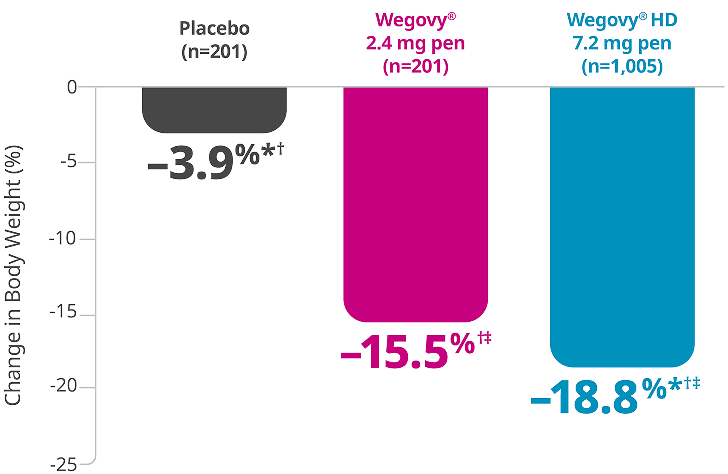
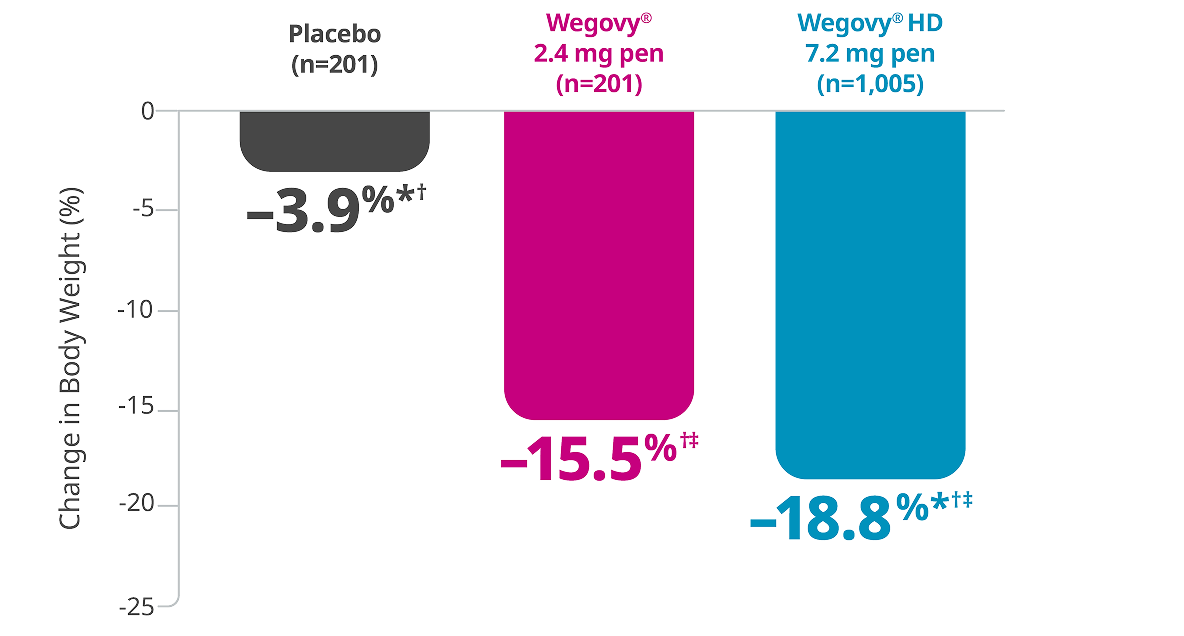
Mean change in body weight (%) from week 0 to week 721


With Wegovy® HD, patients achieved1
18.8% vs 3.9% (~10 lb) mean weight loss with placebo at 72 weeks, for all patients in the trial regardless of whether patients stayed on treatment or used other weight-loss therapies*†
Mean baseline body weight: Wegovy® HD=247.8 lb;
Wegovy® 2.4 mg=256.9 lb; placebo=247.8 lb.2
Mean baseline BMI: 39.9 kg/m2.2
Co-primary end point1:
- Percentage of patients achieving ≥5% weight loss at 72 weeks: 88.7% of patients with Wegovy® HD vs 38.3% with placebo†
Treatment regimen estimand:
- This estimand is based on the intention-to-treat principle and was used as the primary analysis method
*Co-primary end point: % change in body weight for Wegovy® HD vs placebo; ETD (95% CI): -14.9 (-16.2; -13.6).
†p<0.0001 (unadjusted 2-sided) for superiority.1
‡Confirmatory secondary end point: % change in body weight for Wegovy® HD vs Wegovy® 2.4 mg; ETD (95% CI): -3.3 (-4.9; -1.6).
BMI, body mass index; CI, confidence interval; ETD, estimated treatment difference.
STEP UP1,2: A 72-week trial of 1,407 adults with obesity (BMI ≥30 kg/m2). Patients were randomized 5:1:1 to once-weekly Wegovy® HD injection 7.2 mg, Wegovy® injection 2.4 mg, or placebo in conjunction with a reduced-calorie diet and increased physical activity. Discontinuation rate: Wegovy® HD injection 7.2 mg=11.7%, Wegovy® injection 2.4 mg=11.9%, placebo=29.4%. Click to see full study design below.
In the same study,
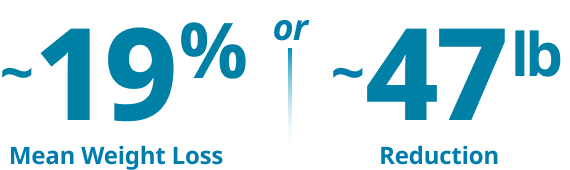
Efficacy estimand: ~21% mean weight loss2
Mean change in body weight (%) from week 0 to week 722
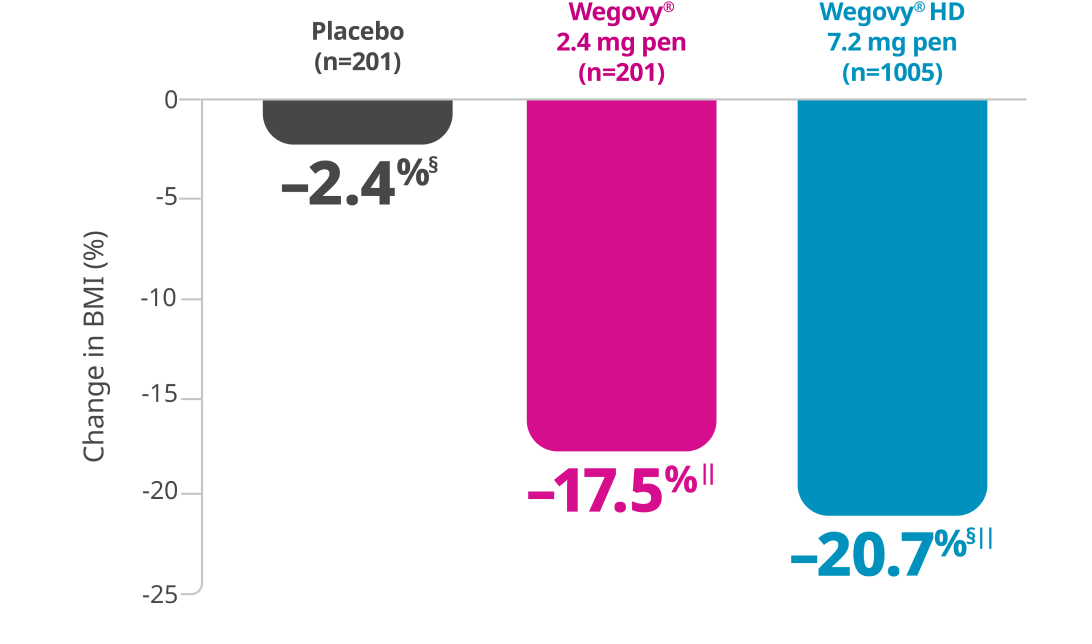
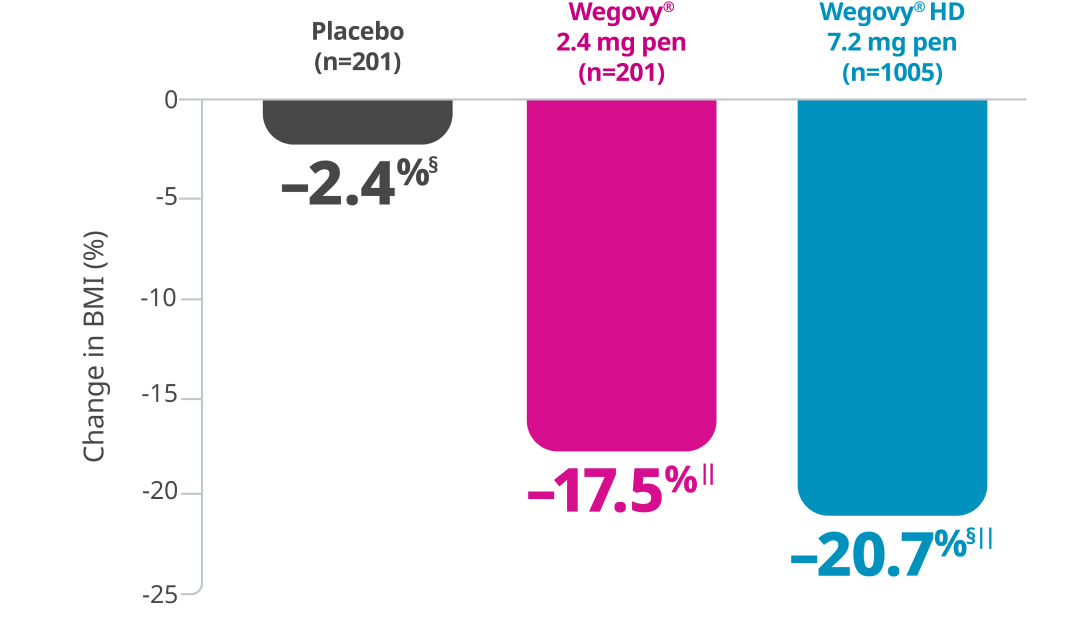
If all patients stayed on Wegovy® HD2

20.7% vs 2.4% (~6 lb) mean weight loss with placebo at 72 weeks, in an idealized scenario estimating efficacy if all patients remained on treatment and used no other weight-loss therapies§
Mean baseline body weight: Wegovy® HD=247.8 lb;
Wegovy® 2.4 mg=256.9 lb; placebo=247.8 lb.2
Mean baseline BMI: 39.9 kg/m2.2
Co-primary end point:
- Percentage of patients achieving ≥5% weight loss at 72 weeks: 93.2% of patients taking Wegovy® HD vs 35.7% with placebo2
§The co-primary end point was percentage change in body weight for Wegovy® HD vs placebo.
∥A confirmatory secondary end point was percentage change in body weight for Wegovy® HD vs Wegovy® 2.4 mg.
Efficacy estimand:
- This analysis was not included in the statistical testing hierarchy, and as such, is hypothetical and was not controlled for multiplicity
With Wegovy®, reduction in body weight was observed irrespective of patient age1
See how eligible patients, including aged 65+, can get Wegovy® for $50/month through the Medicare GLP-1 Bridge Program11,a,b
aThe Medicare GLP-1 Bridge Program is a nationwide, short-term CMS program designed to cover select weight-management drugs for Medicare Part D beneficiaries.
bTerms apply. For eligible Medicare patients prescribed Wegovy® for a covered FDA-approved indication. Eligibility criteria will be determined by CMS. This information is not a guarantee of coverage. Month defined as 1 box of 4 pens of Wegovy® and 1 bottle of 30 tablets of Wegovy®. Visit https://www.cms.gov/medicare/coverage/prescription-drug-coverage/medicare-glp-1-bridge to learn more.
CMS, Centers for Medicare & Medicaid Services.
Additionally in that study,
With Wegovy® HD, ~1 in 3 patients achieved ≥25% weight loss2
Relevant confirmatory secondary end points1:
- ≥10% weight loss at 72 weeks: 79.8% with Wegovy® HD vs 20.3% with placebo¶
- ≥15% weight loss at 72 weeks: 63.8% with Wegovy® HD vs 7.5% with placebo¶
- ≥20% weight loss at 72 weeks: 45.5% with Wegovy® HD vs 2.8% with placebo¶
Treatment regimen estimand:
- This estimand is based on the intention-to-treat principle and was used as the primary analysis method
Relevant confirmatory secondary end point
~1 in 3 (31.2%) patients achieved2¶#
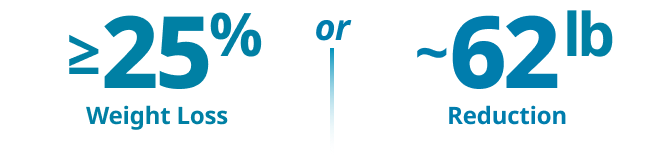
at 72 weeks with Wegovy® HD
vs 0% of patients with placebo
Mean baseline body weight:
Wegovy® HD=247.8 lb; placebo=247.8 lb.2
Mean baseline BMI: 39.9 kg/m2.2
Weight loss in pounds (lb) calculated as ≥25% of mean baseline body weight of patients taking Wegovy® HD or placebo.
¶p<0.0001 (unadjusted 2-sided) for superiority.1
In a post hoc analysis, nearly half of patients treated with Wegovy® HD achieved a BMI <30 kg/m2
In a post hoc analysis, patients randomized to Wegovy® HD (N=1,005) had a mean baseline BMI of2#


After 72 weeks on Wegovy® HD (n=950), along with diet and exercise,


43.2% reached a BMI


vs 8.2% of patients on placebo
Limitations2:
- This analysis was not prespecified in the study protocol and was not controlled for multiplicity
- Post hoc analyses are hypothesis generating and clinical validity cannot be determined
#Observed data include only patients who had a body-weight assessment at week 72 (950 of 1,005 for Wegovy® HD 7.2 mg injection arm and 171 of 201 for placebo arm) and do not include all randomized patients.
In the same study,
Beyond the scale with Wegovy® HD1
Patients taking Wegovy® HD pen 7.2 mg experienced improvements across most cardiometabolic risk factors
Confirmatory secondary end point:
Change from baseline to week 72 in1:


Waist circumference:
5.6-inch reduction
2.2-inch reduction with placebo
Supportive secondary end points: Change from baseline to week 72 in1:


Lipid profile:
Total cholesterol
3.4% reduction
4.0% reduction with placebo
LDL
3.5% reduction
4.8% reduction with placebo
HDL
9.5% increase
0.5% decrease with placebo
Triglycerides
16.4% reduction
0.9% reduction with placebo


Systolic blood pressure:
10.1 mm Hg reduction
4.8 mm Hg reduction with placebo

Diastolic blood pressure:
4.5 mm Hg reduction
1.8 mm Hg reduction with placebo


A1c:
0.3% reduction
0% change with placebo
Safety end point: Change in1:


Heart rate:
0.5 bpm increase
0.6 bpm reduction with placebo
Wegovy® is not indicated to treat hypertension, type 2 diabetes, or dyslipidemia.
Supportive secondary end points were not included in the statistical testing hierarchy and, as such, not controlled for multiplicity.
A1c, glycated hemoglobin; bpm, beats per minute; HDL, high-density lipoprotein; LDL, low-density lipoprotein.
STEP 5: In adults with obesity or overweight with at least one weight-related comorbidity, along with diet and exercise,
Significant weight loss that lasts with Wegovy® 2.4 mg3
Co-primary end point: Mean change in body weight (%) from week 0 to week 1043
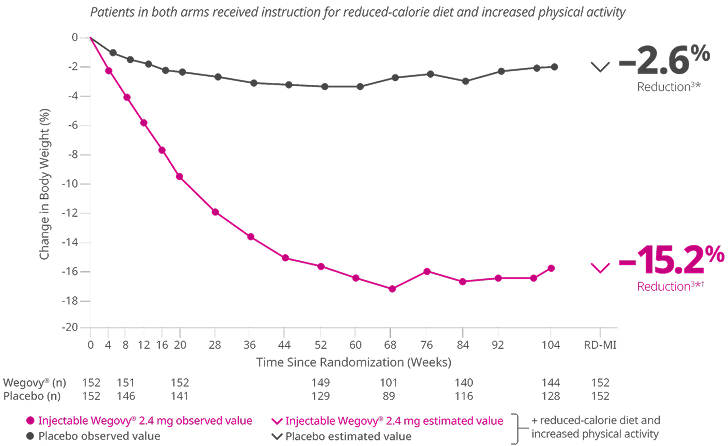
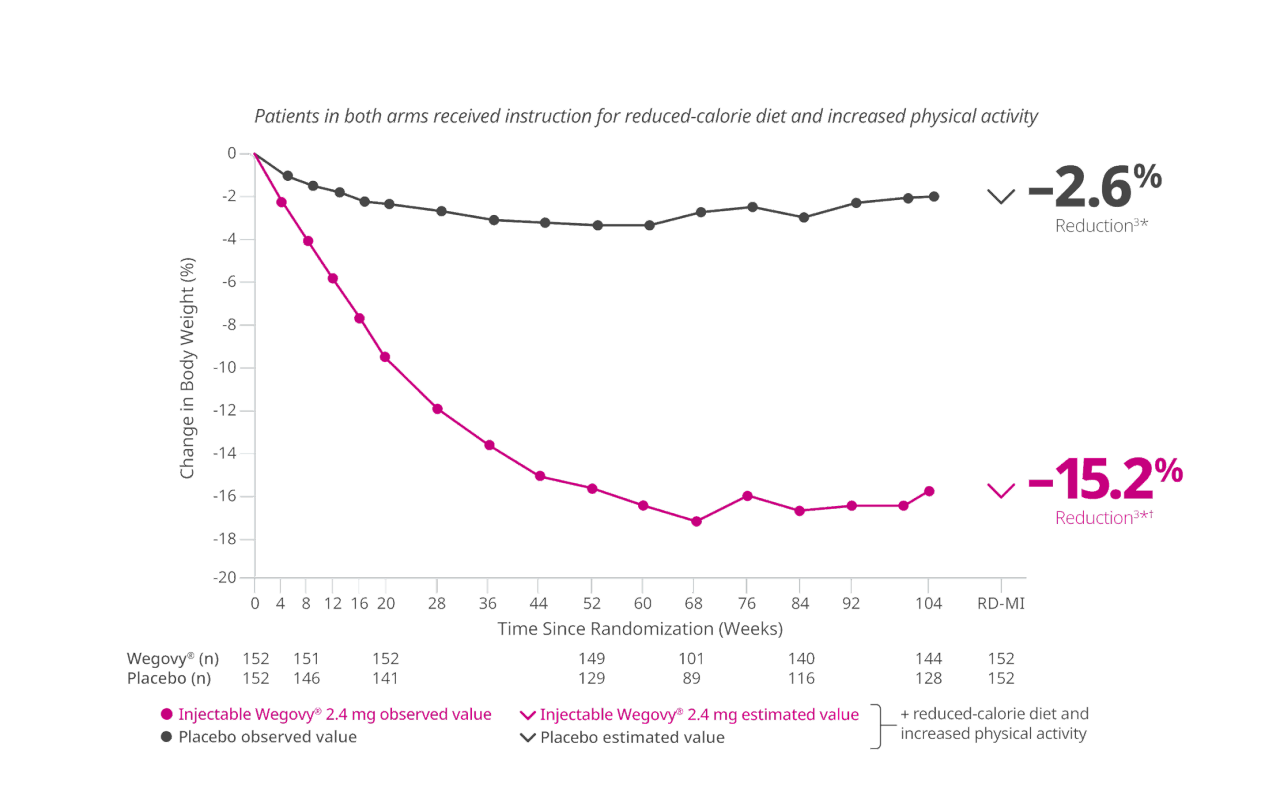
Missing data were imputed from retrieved subjects of the same randomized treatment arm (RD-MI).
*p<0.0001 (unadjusted 2-sided) for superiority.3
†Difference from placebo was -12.6%.3
BMI, body mass index; RD-MI, retrieved drop-outs multiple imputation.

With Wegovy® 2.4 mg, patients achieved3
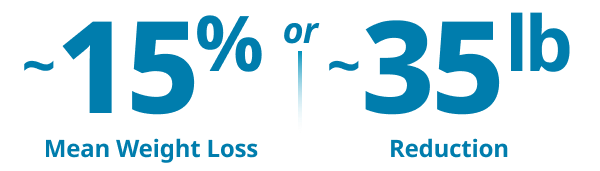
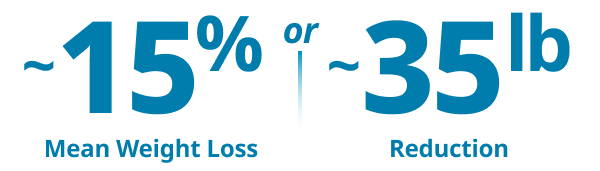
15.2% vs 2.6% (~6 lb) mean weight loss with placebo at 2 years, for all patients in the trial regardless of whether patients stayed on treatment or used other weight-loss therapies
Mean baseline body weight: Wegovy® 2.4 mg=232.8 lb;
placebo=234.8 lb.3
Mean baseline BMI: 38.5 kg/m2.3
Treatment regimen estimand:
- This estimand is based on the intention-to-treat principle and was used as the primary analysis method
STEP 53: A 104-week trial of 304 adults with obesity (BMI ≥30 kg/m2) or overweight (BMI 27 kg/m2-29.9 kg/m2) and ≥1 weight-related comorbidity, randomized 1:1 to Wegovy® 2.4 mg or placebo, both with a reduced-calorie diet and increased physical activity. Discontinuation rate: Wegovy®=13%, placebo=27%. Click to see full study design below.
In the same study,
With Wegovy® 2.4 mg, the majority of patients maintained significant weight loss at 2 years3
≥20% weight loss maintained with Wegovy® 2.4 mg by one-third of patients at 2 years3‡§
Observed weight loss at 104 weeks3
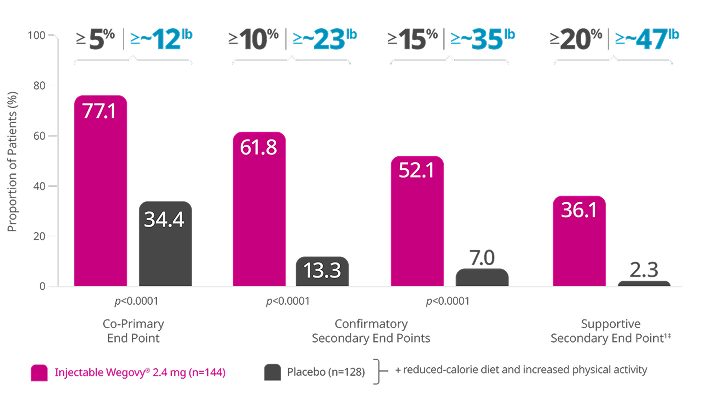
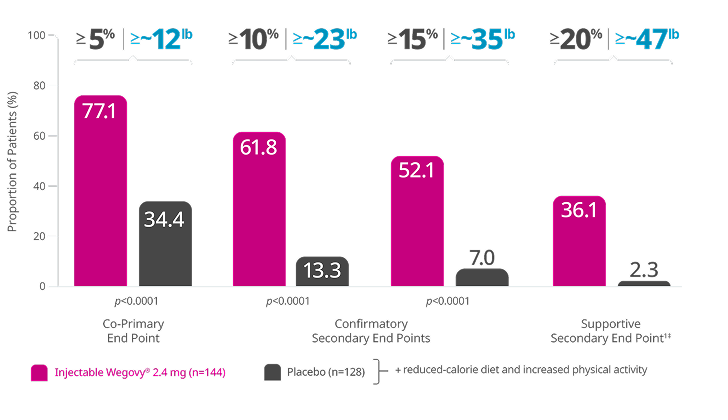
Supportive secondary end point
~1 out of 3 (36.1%) patients taking Wegovy® 2.4 mg achieved even greater weight loss3‡
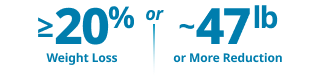
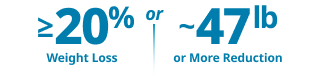
at 2 years
vs 2.3% of patients with placebo
Mean baseline body weight:
Wegovy®=232.8 lb; placebo=234.8 lb.3
Mean baseline BMI: 38.5 kg/m2.3
‡Supportive secondary end points were not included in the statistical testing hierarchy and, as such, not controlled for multiplicity.3
Weight loss in pounds (lb) calculated as 5%, 10%, 15%, and 20% of mean baseline body weight of patients taking Wegovy® HD or placebo.
§Observed data include only patients who had a body-weight assessment at week 104 (144 of 152 for Wegovy® arm and 128 of 152 for placebo arm) and do not include all randomized patients.
In the same study,
Benefits beyond the scale® with Wegovy® 2.4 mg
Patients taking Wegovy® pen 2.4 mg experienced improvements across most cardiometabolic risk factors3
Confirmatory secondary end points:
Change from baseline to week 104 in3:

Waist circumference:
5.7-inch reduction
2-inch reduction with placebo

Systolic blood pressure:
5.7 mm Hg reduction
1.6 mm Hg reduction with placebo
Supportive secondary end points: Change from baseline to week 104 in3:

Lipid profile:
Total cholesterol
3.3% reduction
1.4% increase with placebo
LDL
6.1% reduction
2.7% reduction with placebo
HDL
9.6% increase
8.1% increase with placebo
Triglycerides
19% reduction
3.7% increase with placebo

Diastolic blood pressure:
4.4 mm Hg reduction
0.8 mm Hg reduction with placebo

A1c:
0.4% reduction
0.1% reduction with placebo
Safety end point: Change in3:

Heart rate:
3.3 bpm increase
0.8 bpm reduction with placebo
Wegovy® is not indicated to treat hypertension, type 2 diabetes, or dyslipidemia.
Supportive secondary end points were not included in the statistical testing hierarchy and, as such, not controlled for multiplicity.
A1c, glycated hemoglobin; bpm, beats per minute; HDL, high-density lipoprotein; LDL, low-density lipoprotein.
In the same study,
Efficacy estimand: ~17% mean weight loss3
Co-primary end point: Change in body weight (%) from week 0 to week 1043
Patients in both arms received instruction for reduced-calorie diet and increased physical activity
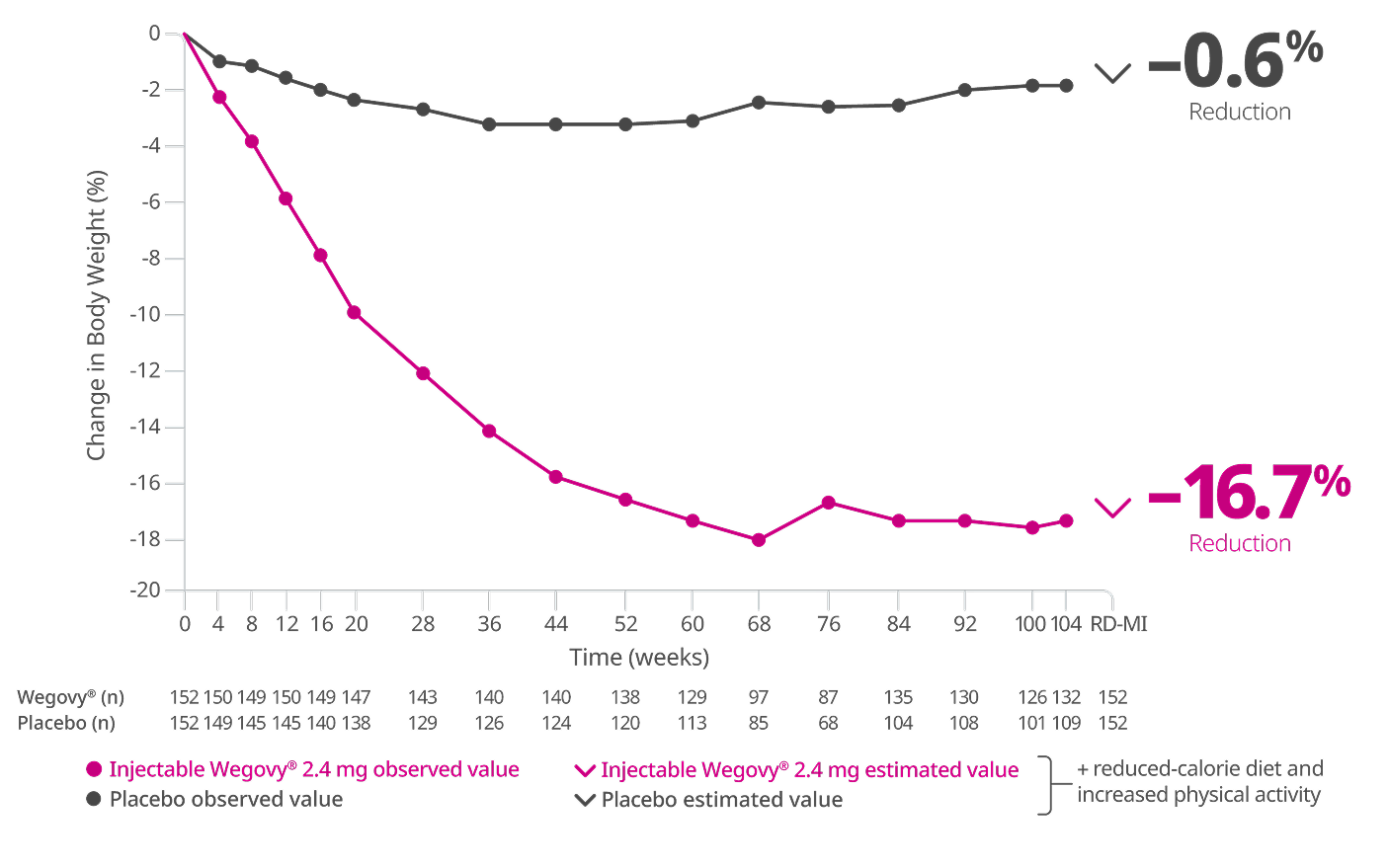
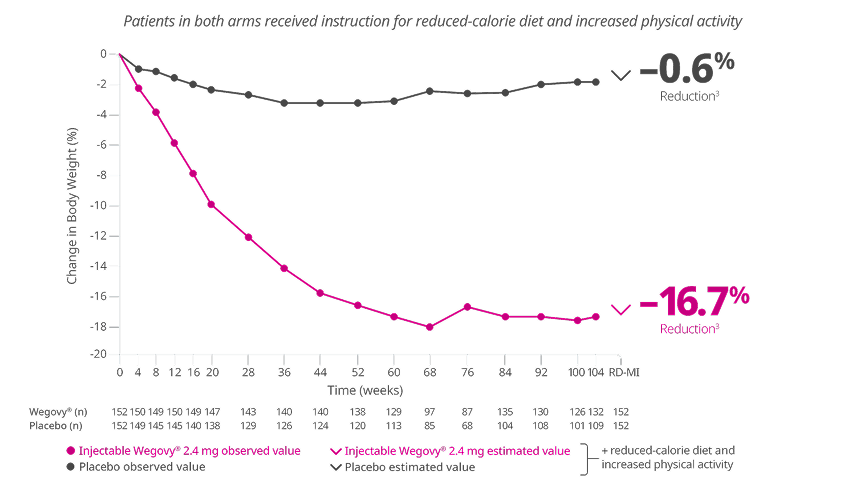
If all patients stayed on Wegovy® 2.4 mg3

16.7% vs 0.6% (~1.4 lb) mean weight loss with placebo at 2 years, in an idealized scenario estimating efficacy if all patients remained on treatment and used no other weight-loss therapies
Mean baseline body weight: Wegovy®=232.8 lb; placebo=234.8 lb.3
Mean baseline BMI: 38.5 kg/m2.3
Efficacy estimand:
- This analysis was not included in the statistical testing hierarchy, and as such, is hypothetical and was not controlled for multiplicity
WeGoTogether® Real-World Study
Randomized controlled trials (RCTs)4,5
- Evaluate the safety and efficacy of a treatment in specific populations under controlled conditions
- Prospective designs with prespecified, well-defined inclusion/exclusion criteria, outcomes, and end points
- Patients are randomly assigned to treatment or comparator
Limitations:
- Tightly controlled conditions and inclusion/exclusion criteria of RCTs may limit generalizability to real-world conditions or clinical populations
- Can be expensive and time-consuming
Randomized controlled trials are designed to show causality4,5
Real-world observational studies5,6
- Use data from routine clinical practice
- Capture outcomes across broad patient populations
- Offer insight into how treatments perform outside of a controlled clinical trial setting
- Should be viewed as complementary to clinical trial data
Limitations:
- Susceptible to bias and confounding due to factors such as lack of randomization, missing or duplicative data, coding inaccuracies, and data variability reflecting routine clinical practice
Real-world studies evaluate associations and cannot determine causality5,6
In a retrospective, observational study of US adults with obesity,
What do real-world results show for Wegovy® pen?

In a real-world study,7 patients with obesity taking Wegovy® 2.4 mg and enrolled in the WeGoTogether® program lost an average of


at 2 years∥
Mean index body weight: 236 lb.
∥Note: 296/7,604 (4%) patients had a reported weight at 2 years.7
Limitations7: All data were self-reported, which may be prone to bias. Weight change was analyzed descriptively. Self-reported first injection start date (index) may not reflect Wegovy® initiation. Collected baseline patient data were limited, preventing further characterization of patients (comorbidities and concomitant medication use, including obesity medication, GLP-1 RA, or GIP/GLP-1 RA). Adherence to Wegovy® at time of self-reported weight is unknown. WeGoTogether® does not include a control group for comparison.
Results should be interpreted in the context of limitations of this study.


To complement, not replace, your care, the WeGoTogether® app was developed by Novo Nordisk, the maker of Wegovy®, to support your patients as they work to lose weight and keep it off.
Rooted in behavior change to help patients reach their goals, patients learn skill building in areas like goal setting, habit formation, nutrition, and handling social situations around food.
Get patients started at Wegovy.com
Patients are advised to consult their HCP about treatment-related questions.

Study design
WeGoTogether® real-world weight outcomes: A retrospective, observational study of US adults with obesity (BMI ≥30 kg/m2) treated with Wegovy® 2.4 mg injection and enrolled in the WeGoTogether® patient support program evaluating patient-reported weight data. Among the 7,604 patients with obesity, 296 patients had reported weight values 24 months post index (±30 days).7
Time periods and definitions: Study period: June 4, 2021 to April 10, 2025; index date: Reported date of enrollment (first injection start date) in the WeGoTogether® program.8
End point:
- Mean percent weight change at 2 years7
GIP, glucose-dependent insulinotropic polypeptide; GLP-1 RA, glucagon-like peptide-1 receptor agonist; HCP, health care professional.
STEP 4: In adults with obesity or overweight with at least one weight-related comorbidity, along with diet and exercise,
Patients who stayed on Wegovy® 2.4 mg achieved sustained results against weight regain1,9
After a 20-week run-in period, patients who continued taking Wegovy® lost more weight and kept it off1
Primary end point: Mean change in body weight (%) from randomization (week 20) to week 681
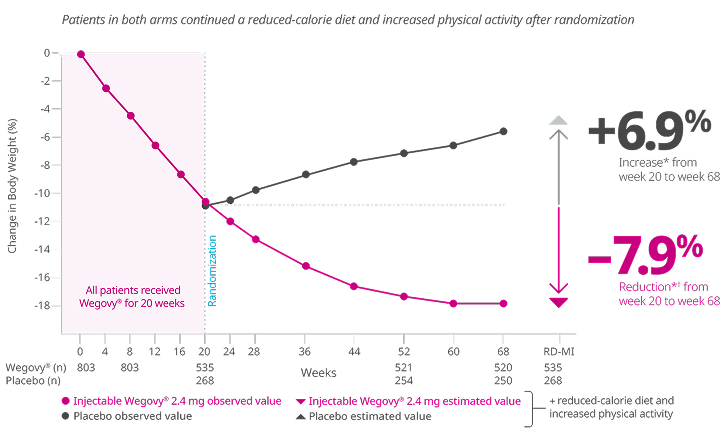
Randomized patients (shown) do not include 99 patients who discontinued during the 20-week run-in period.1
Missing data were imputed from retrieved subjects of the same randomized treatment arm (RD-MI).1
*p<0.001 (unadjusted 2-sided) for superiority, controlled for multiplicity.1
†Difference from placebo was -14.8%.1
Supportive secondary end point
Patients taking Wegovy® achieved1,9‡

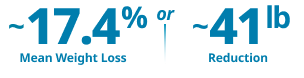
from week 0 to 68
vs 5% (~12 lb) weight loss with placebo1,9
Mean baseline body weight (week 0): 236.3 lb.9
Mean body weight at randomization (week 20): 211.9 lb.9
Mean baseline BMI (week 0): 38.4 kg/m2.9
Mean BMI at randomization (week 20): 34.4 kg/m2.9
‡Supportive secondary end points were not included in the statistical testing hierarchy and, as such, not controlled for multiplicity.1
STEP 41: A 64-week trial of 902 adults with obesity or with overweight and at least one weight-related comorbidity. All patients received Wegovy® for 20 weeks. The 803 patients who achieved the 2.4 mg maintenance dose were randomized 2:1 to either continue Wegovy® or receive placebo. Click to see full study design below.
Study designs
STEP UP2: A randomized, double-blind, placebo-controlled and active-controlled, 3-arm, 72-week trial of 1,407 adults with obesity (BMI ≥30 kg/m2); patients with type 2 diabetes mellitus were excluded. Patients were randomized 5:1:1 to once-weekly Wegovy® HD injection 7.2 mg, Wegovy® (semaglutide) injection 2.4 mg, or placebo (with a 20-week or 16-week dose escalation, respectively) in conjunction with a reduced-calorie diet (~500 kcal/day deficit) and increased physical activity (recommended to a minimum of 150 min/week).
Co-primary end points2:
- Mean percent change in body weight for Wegovy® HD injection 7.2 mg vs placebo from baseline to week 72
- Percentage of patients achieving ≥5% weight loss from baseline to week 72
Relevant confirmatory secondary end points2:
- Percentage of patients achieving ≥10% weight loss for Wegovy® HD injection 7.2 mg vs placebo from baseline to week 72
- Percentage of patients achieving ≥15% weight loss for Wegovy® HD injection 7.2 mg vs placebo from baseline to week 72
- Percentage of patients achieving ≥20% weight loss for Wegovy® HD injection 7.2 mg vs placebo from baseline to week 72
- Percentage of patients achieving ≥25% weight loss for Wegovy® HD injection 7.2 mg vs placebo from baseline to week 72
- Mean percent change in body weight from baseline for Wegovy® HD injection 7.2 mg vs Wegovy® 2.4 mg injection
Relevant supportive secondary end points2:
- Change in systolic blood pressure from baseline to week 72
- Change in diastolic blood pressure from baseline to week 72
- Change in lipids§ from baseline to week 72
- Change in A1c from baseline to week 72
§LDL, HDL, triglycerides, and total cholesterol.
STEP 53: A 104-week trial of 304 adults with obesity (BMI ≥30 kg/m2) or with overweight (BMI 27 kg/m2-29.9 kg/m2) and at least one weight-related comorbid condition, such as dyslipidemia or hypertension, cardiovascular disease, or obstructive sleep apnea; patients with diabetes mellitus were excluded. Patients were randomized 1:1 to once-weekly Wegovy® injection 2.4 mg or placebo (with a 16-week dose escalation), both in conjunction with a reduced-calorie diet (~500 kcal/day deficit) and increased physical activity (recommended to a minimum of 150 min/week).
Co-primary end points3:
- Mean percent change in body weight from baseline to week 104
- Percentage of patients achieving ≥5% weight loss from baseline to week 104
Relevant confirmatory secondary end points3:
- Percentage of patients achieving ≥10% weight loss from baseline to week 104
- Percentage of patients achieving ≥15% weight loss from baseline to week 104
- Change in waist circumference from baseline to week 104
- Change in systolic blood pressure from baseline to week 104
Relevant supportive secondary end points3:
- Percentage of patients achieving ≥20% weight loss from baseline to week 104
- Change in A1c from baseline to week 104
- Change in diastolic blood pressure from baseline to week 104
- Change in lipids∥ from baseline to week 104
∥LDL, HDL, triglycerides, and total cholesterol.
STEP 41: A 68-week trial that enrolled 902 adults with obesity (BMI ≥30 kg/m2) or with overweight (BMI 27 kg/m2-29.9 kg/m2) and at least one weight-related comorbid condition, such as treated or untreated dyslipidemia or hypertension; patients with type 2 diabetes mellitus were excluded. All patients received once-weekly Wegovy® injection during the run-in period of 20 weeks, which included 16 weeks of dose escalation. 803 patients achieved Wegovy® injection 2.4 mg dose and were then randomized in a 2:1 ratio to either continue on Wegovy® or receive placebo. All patients received instruction for a reduced-calorie diet (~500 kcal/day deficit) and increased physical activity counseling (recommended to a minimum of 150 min/week) through the trial.
Co-primary end point1,9:
- Mean percent change in body weight from randomization (week 20) to week 68
Relevant confirmatory secondary end points1,9:
Randomization (week 20) to week 68:
- Change in waist circumference
- Change in systolic blood pressure
Relevant supportive secondary end point9:
- Change in body weight (%) from week 0 to week 68
Consider the Wegovy® pen for a wide range of patients with obesity
How are you treating patients with long-term weight challenges?

Looking for lasting weight loss after previous failed weight-loss attempts
Age: 47
BMI: 36 kg/m2
- Has made multiple weight-loss attempts
- Looking to achieve and sustain weight loss


Likes an option she only has to take once a week
Age: 32
BMI: 32 kg/m2
- Has one weight-related comorbidity
- Wanting to reach additional, meaningful weight loss
Actor portrayals. Hypothetical patients for demonstrative purposes only.
Frequently Asked Questions: Wegovy® Pen
STEP UP
Treatment regimen estimand1:
With Wegovy® HD 7.2 mg, adults with obesity experienced 18.8% mean weight loss vs 3.9% with placebo, both along with diet and exercise, at 72 weeks for all patients in the trial regardless of whether patients stayed on treatment or took other weight-loss therapies.*
Co-primary end point: Percentage of patients achieving ≥5% weight loss at 72 weeks: 88.7% with Wegovy® HD 7.2 mg vs 38.3% with placebo.
Efficacy estimand2:
With Wegovy® HD 7.2 mg, 20.7% mean weight loss vs 2.4% with placebo, both along with diet and exercise, at 72 weeks, in an idealized scenario estimating efficacy if all patients remained on treatment and used no other weight-loss therapies.†
Co-primary end point: Percentage of patients achieving ≥5% of weight loss at 72 weeks: 93.2% with Wegovy® HD 7.2 mg vs 35.7% with placebo.
STEP 5
Treatment regimen estimand3:
With Wegovy® 2.4 mg, adults with obesity or overweight and at least 1 weight-related comorbidity achieved 15.2% mean weight loss vs 2.6% with placebo, both along with diet and exercise, at 104 weeks for all patients in the trial regardless of whether patients stayed on treatment or took other weight-loss therapies.*
Co-primary end point: Percentage of patients achieving ≥5% weight loss at 104 weeks: 77.1% with Wegovy® 2.4 mg vs 34.4% with placebo.
Efficacy estimand3:
With Wegovy® 2.4 mg, 16.7% mean weight loss vs 0.6% with placebo, both along with diet and exercise, at 104 weeks, in an idealized scenario estimating efficacy if all patients remained on treatment and used no other weight-loss therapies.†
Study Designs
STEP UP1,2: A 72-week trial of 1,407 adults with obesity (BMI ≥30 kg/m2). Patients were randomized 5:1:1 to once-weekly Wegovy® HD injection 7.2 mg, Wegovy® injection 2.4 mg, or placebo in conjunction with a reduced-calorie diet and increased physical activity; mean baseline body weight 247.8 lb (Wegovy® HD and placebo), 256.9 lb (Wegovy® 2.4 mg), and BMI 39.9 kg/m2. Discontinuation rate: Wegovy® HD injection 7.2 mg=11.7%, Wegovy® injection 2.4 mg=11.9%, placebo=29.4%. Click to see full study design.
STEP 53: A 104-week trial of 304 adults with obesity (BMI ≥30 kg/m2) or overweight (BMI 27 kg/m2-29.9 kg/m2) and ≥1 weight-related comorbidity, randomized 1:1 to Wegovy® 2.4 mg or placebo, both with a reduced-calorie diet and increased physical activity; mean baseline body weight: Wegovy® 2.4 mg=232.8 lb; placebo=234.8 lb, and BMI: 38.5 kg/m2. Discontinuation rate: Wegovy®=13%, placebo=27%. Click to see full study design.
*Treatment regimen estimand: This estimand is based on the intention-to-treat principle and was used as the primary analysis method.
†Efficacy estimand: This analysis was not included in the statistical testing hierarchy, and as such, is hypothetical and was not controlled for multiplicity.
BMI, body mass index.
OASIS 4: In adults with obesity or overweight with at least one weight-related comorbidity, along with diet and exercise,
The GLP-1 power you want, packed in a pill
An FDA-approved GLP-1 RA pill for weight loss5
Co-primary end point: Mean change in body weight (%) from week 0 to week 641,10
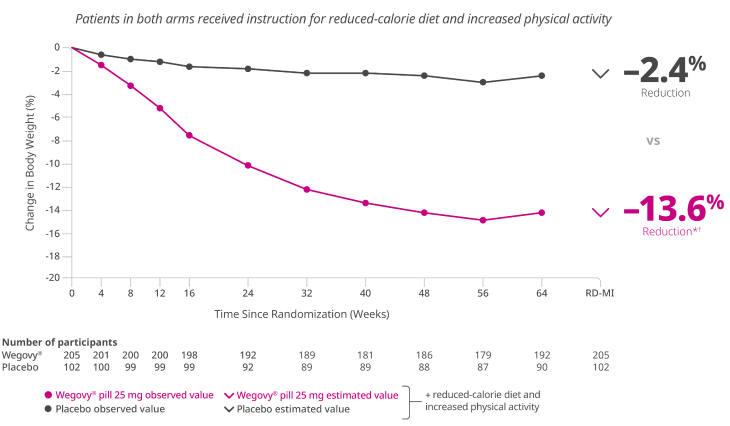
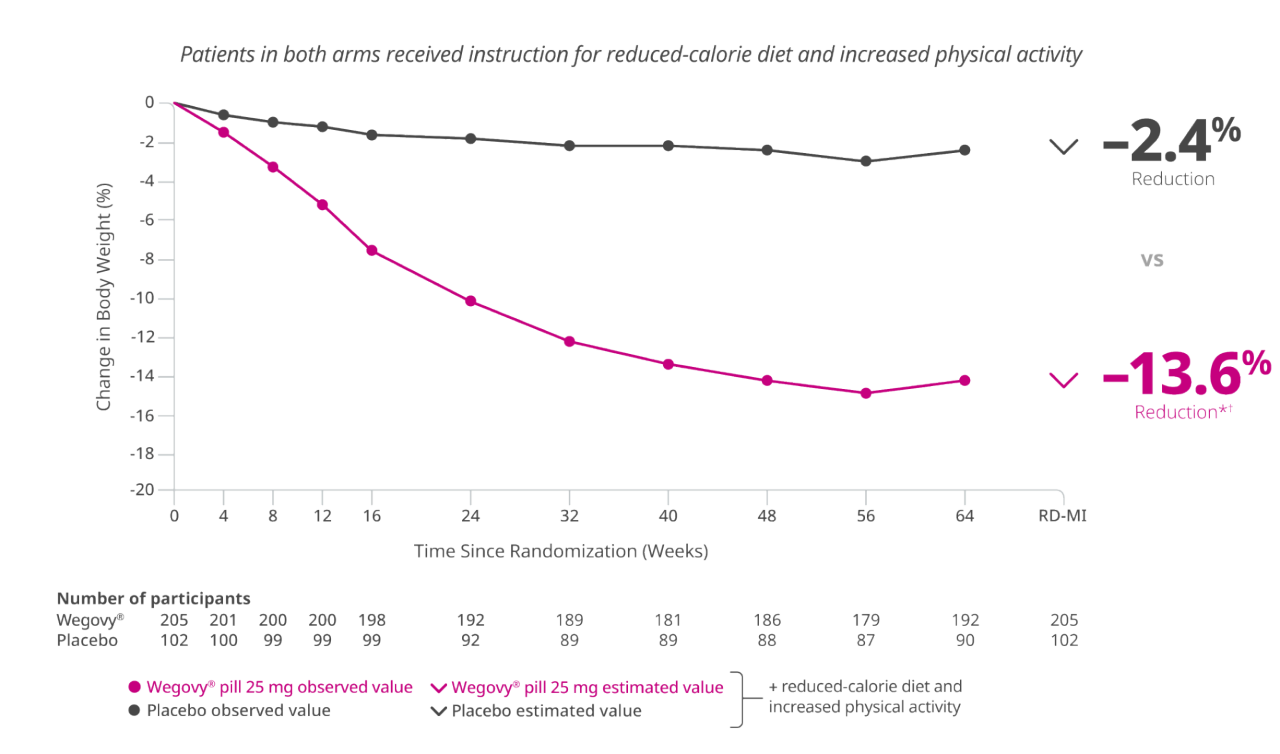

With Wegovy® pill, patients achieved
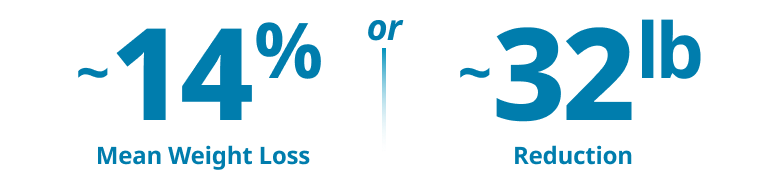
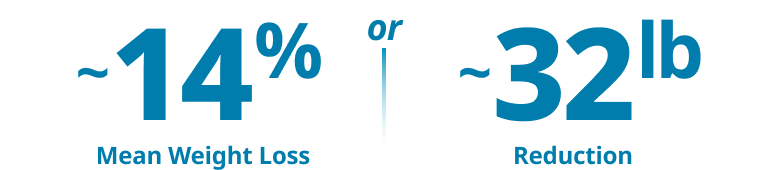
13.6% vs 2.4% (~6 lb) mean weight loss with placebo at 64 weeks, for all patients in the trial regardless of whether patients stayed on treatment or used other weight-loss therapies5*†
Mean baseline body weight: Wegovy®=234.6 lb; placebo=231.1 lb.
Mean baseline BMI: 38 kg/m2.5
Co-primary end point:
- Patients who lost ≥5% at 64 weeks: 76.3% with Wegovy® vs 31.3% with placebo*
Treatment regimen estimand:
- This estimand is based on the intention-to-treat principle and was used as the primary analysis method
Wegovy® tablets have not been studied for weight reduction in adults with type 2 diabetes and obesity or overweight.
Missing data were imputed from retrieved subjects of the same randomized treatment arm (RD-MI).
*p<0.0001 (unadjusted 2-sided) for superiority.
†Difference from placebo was -11.2%.
BMI, body mass index; GLP-1, glucagon-like peptide-1; GLP-1 RA, glucagon-like peptide-1 receptor agonist; RD-MI, retrieved drop-outs multiple imputation.
OASIS 41,10: A 64-week trial of 307 adults with obesity (BMI ≥30 kg/m2) or overweight (BMI 27 kg/m2-29.9 kg/m2) and ≥1 weight-related comorbid condition, randomized 2:1 to once-daily Wegovy® 25 mg tablets or placebo, both in conjunction with a reduced-calorie diet and increased physical activity. Discontinuation rate: 18% Wegovy® pill, 25.5% placebo. Click to see full study design below.
In the same study,
Wegovy® pill helped some patients achieve even more weight loss
>1 out of 4 (27.9%) patients achieved ≥20% weight loss with Wegovy® pill at 64 weeks1,10

Confirmatory secondary end points1
≥10% weight loss:
59.8% Wegovy® vs 14.4% with placebo‡
≥15% weight loss:
47% Wegovy® vs 5.5% with placebo‡
>1 out of 4 (27.9%) patients taking Wegovy® achieved1,6
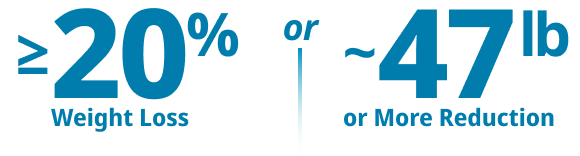

at 64 weeks
vs 3.1% of patients with placebo1,6‡
Mean baseline body weight: Wegovy®=234.6 lb; placebo=231.1 lb.
Mean baseline BMI: 38 kg/m2.1
Weight loss in pounds (lb) calculated as ≥20% of mean baseline body weight of patients taking Wegovy® pill or placebo.
‡p<0.0001 (unadjusted 2-sided) for superiority.
In an additional analysis for efficacy in the same study,
Efficacy estimand: ~17% mean weight loss
Co-primary end point: Change in body weight (%) from week 0 to week 6410
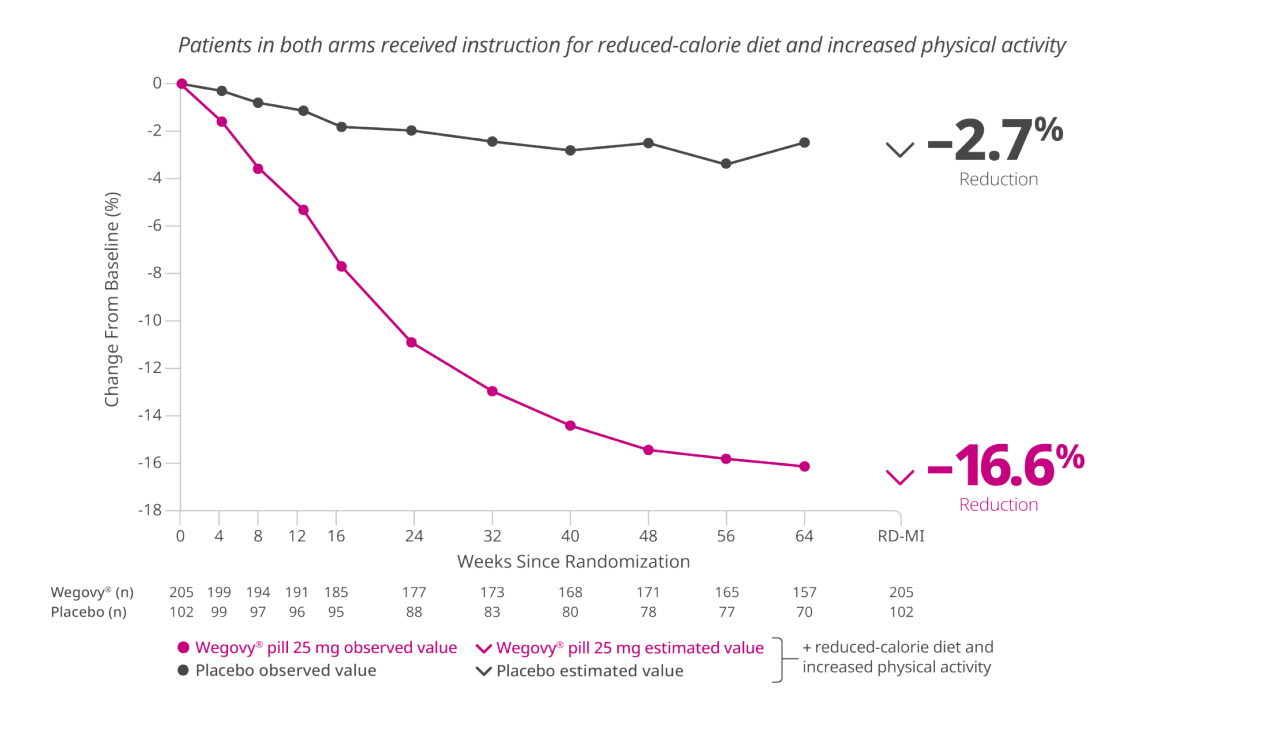
If all patients stayed on Wegovy® pill 25 mg


16.6% vs 2.7% (~6 lb) mean weight loss with placebo at 64 weeks, in an idealized scenario estimating efficacy if all patients remained on treatment and used no other weight-loss therapies
Mean baseline body weight: Wegovy®=234.6 lb; placebo=231.1 lb.
Mean baseline BMI: 38 kg/m2.
Efficacy estimand:
- This analysis was not included in the statistical testing hierarchy, and as such, is hypothetical and was not controlled for multiplicity
With Wegovy®, reduction in body weight was observed irrespective of patient age1
See how eligible patients, including aged 65+, can get Wegovy® for $50/month through the Medicare GLP-1 Bridge Program11,a,b
aThe Medicare GLP-1 Bridge Program is a nationwide, short-term CMS program designed to cover select weight-management drugs for Medicare Part D beneficiaries.
bTerms apply. For eligible Medicare patients prescribed Wegovy® for a covered FDA-approved indication. Eligibility criteria will be determined by CMS. This information is not a guarantee of coverage. Month defined as 1 box of 4 pens of Wegovy® and 1 bottle of 30 tablets of Wegovy®. Visit https://www.cms.gov/medicare/coverage/prescription-drug-coverage/medicare-glp-1-bridge to learn more.
CMS, Centers for Medicare & Medicaid Services.
Study design
OASIS 41,10: A randomized, double-blind, placebo-controlled 64-week trial of 307 adults with obesity (BMI ≥30 kg/m²) or overweight (BMI 27 kg/m²-29.9 kg/m²) and ≥1 weight-related comorbid condition, such as treated or untreated dyslipidemia or hypertension; patients with type 2 diabetes were excluded. Patients were randomized in a 2:1 ratio to either once-daily Wegovy® tablets 25 mg or placebo; both in conjunction with a reduced-calorie diet (~500 kcal/day deficit) and increased physical activity (recommended to a minimum of 150 min/week).
In OASIS 4, the doses used in escalation were 3 mg, 7 mg, and 14 mg. Each dose was taken once daily for 4 weeks. These doses are bioequivalent to 1.5 mg, 4 mg, and 9 mg, which are the commercially available, FDA-approved doses. The 25 mg dose was studied in OASIS 4 and is available as the maintenance dose.
Co-primary end points10:
- Mean percent change in body weight from baseline to week 64
- Percentage of patients achieving ≥5% weight loss from baseline to week 64
Confirmatory secondary end points10:
- Percentage of patients achieving ≥10% weight loss from baseline to week 64
- Percentage of patients achieving ≥15% weight loss from baseline to week 64
- Percentage of patients achieving ≥20% weight loss from baseline to week 64
Patient Profiles
Start the conversation with patients who are ready for a GLP-1 in a form that may be more familiar


Didn’t think he was ready for a GLP-1 for weight loss before
Age: 30s-40s
BMI: 30-34 kg/m²
Who is this patient?
- Didn’t feel like his weight was serious enough to warrant treatment with an injection
- May or may not have weight-related comorbidities
- Has tried losing weight with diet and exercise
Wegovy®: Why now?
He is looking for an oral option that feels more approachable


Navigating life changes
Age: 30s
BMI: 27-34 kg/m² with a weight-related comorbidity
Who is this patient?
- Navigating parenthood, wants to meet her weight-loss goals
- Has consistently tried losing weight with diet and exercise
Wegovy®: Why now?
She wants a once-daily pill that can fit in her life as a busy mom


Navigating life changes
Age: 65+
BMI: 35+ kg/m²
Who is this patient?
- Experienced menopausal weight gain
- Has been attempting weight loss with diet and exercise for years
Wegovy®: Why now?
She’s looking for the familiarity of an oral option


Wants to look her best
Age: 20s-30s
BMI: 30-34 kg/m²
Who is this patient?
- Considering compounded GLP-1 options online
- Has consistently tried losing weight with diet and exercise
Wegovy®: Why now?
She's looking for the weight-loss efficacy of a GLP-1 in pill form
In medical studies, people who stopped taking Wegovy® generally regained weight.5
Actor portrayals. Hypothetical patients for demonstrative purposes only.
Frequently Asked Questions: Wegovy® Pill
Treatment regimen estimand1:
With Wegovy® pill, adults with obesity or overweight and at least 1 weight-related comorbidity achieved 13.6% mean weight loss vs 2.4% with placebo, both along with diet and exercise, at 64 weeks for all patients in the trial regardless of whether patients stayed on treatment or used other weight-loss therapies.*
Co-primary end point: Percentage of patients achieving ≥5% weight loss at 64 weeks: 76.3% with Wegovy® pill vs 31.3% with placebo.
Efficacy estimand10:
With Wegovy® pill, 16.6% mean weight loss vs 2.7% with placebo, both along with diet and exercise, at 64 weeks, in an idealized scenario estimating efficacy if all patients remained on treatment and used no other weight-loss therapies.†
Co-primary end point: Percentage of patients achieving ≥5% of weight loss at 64 weeks: 87.3% with Wegovy® pill vs 31.4% with placebo.
OASIS 41,10: A 64-week trial of 307 adults with obesity (BMI ≥30 kg/m2) or overweight (BMI 27 kg/m2-29.9 kg/m2) and ≥1 weight-related comorbid condition, randomized 2:1 to once-daily Wegovy® 25 mg tablets or placebo, both in conjunction with a reduced-calorie diet and increased physical activity; mean baseline body weight 234.6 lb (Wegovy®), 231.1 lb (placebo), and BMI 38 kg/m2. Discontinuation rate: 18% Wegovy® pill, 25.5% placebo. Click to see full study design.
*Treatment regimen estimand: This estimand is based on the intention-to-treat principle and was used as the primary analysis method.
†Efficacy estimand: This analysis was not included in the statistical testing hierarchy, and as such, is hypothetical and was not controlled for multiplicity.
BMI, body mass index.
People respond to medication, including Wegovy® pill, differently, so there is no set time when your patients can expect to see results with Wegovy®. Be sure to check in with your patients regarding their progress.
A direct comparison cannot be made between Wegovy® pill and injectable Wegovy®.1
Oral Wegovy® (a once-daily pill) and injectable Wegovy® (a once-weekly pen) both contain semaglutide and are both FDA approved to reduce excess body weight and maintain weight reduction long term in adults with obesity or overweight with at least 1 weight-related comorbidity; however, they differ in administration, absorption, dosage schedules, and storage requirements.
See Wegovy® and MACE risk reduction data
Getting your patients started
MACE, major adverse cardiovascular events.
Important Safety Information for Wegovy®
WARNING: RISK OF THYROID C-CELL TUMORS
- In rodents, semaglutide causes dose-dependent and treatment-duration-dependent thyroid C-cell tumors at clinically relevant exposures. It is unknown whether Wegovy® causes thyroid C-cell tumors, including medullary thyroid carcinoma (MTC), in humans as human relevance of semaglutide-induced rodent thyroid C-cell tumors has not been determined
- Wegovy® is contraindicated in patients with a personal or family history of MTC or in patients with Multiple Endocrine Neoplasia syndrome type 2 (MEN 2). Counsel patients regarding the potential risk for MTC with the use of Wegovy® and inform them of symptoms of thyroid tumors (e.g. a mass in the neck, dysphagia, dyspnea, persistent hoarseness). Routine monitoring of serum calcitonin or using thyroid ultrasound is of uncertain value for early detection of MTC in patients treated with Wegovy®
Contraindications
- Wegovy® is contraindicated in patients with a personal or family history of MTC or in patients with MEN 2, and in patients with a prior serious hypersensitivity reaction to semaglutide or to any of the excipients in Wegovy®. Serious hypersensitivity reactions, including anaphylaxis and angioedema have been reported with Wegovy®
Warnings and Precautions
- Risk of Thyroid C-Cell Tumors: Patients should be further evaluated if serum calcitonin is measured and found to be elevated or thyroid nodules are noted on physical examination or neck imaging
- Acute Pancreatitis: Acute pancreatitis, including fatal and non-fatal hemorrhagic or necrotizing pancreatitis, has been observed in patients treated with GLP-1 receptor agonists, including Wegovy®. Observe patients carefully for signs and symptoms of acute pancreatitis, which may include persistent or severe abdominal pain (sometimes radiating to the back), and which may or may not be accompanied by nausea, or vomiting. If pancreatitis is suspected, discontinue Wegovy® and initiate appropriate management
- Acute Gallbladder Disease: Treatment with Wegovy® is associated with an increased occurrence of cholelithiasis and cholecystitis. The incidence of cholelithiasis and cholecystitis was higher in Wegovy® injection-treated pediatric patients aged ≥12 years than in Wegovy® injection-treated adults. In clinical trials in adult patients, cholelithiasis was reported by 1.6% of Wegovy® injection-treated patients and 0.7% of placebo treated patients, and by 2.5% of Wegovy® tablet-treated patients and 1% of placebo treated patients. Cholecystitis was reported by 0.6% of Wegovy® injection-treated adult patients and 0.2% of placebo treated patients. In a clinical trial in pediatric patients aged ≥12 years, cholelithiasis was reported by 3.8% of Wegovy® injection-treated patients and 0% placebo treated patients. Cholecystitis was reported by 0.8% of Wegovy® injection-treated pediatric patients and 0% placebo treated patients. Substantial or rapid weight loss can increase the risk of cholelithiasis; however, the incidence of acute gallbladder disease was greater in Wegovy® patients than in placebo patients, even after accounting for the degree of weight loss. If cholelithiasis is suspected, gallbladder studies and appropriate clinical follow-up are indicated
- Hypoglycemia: Wegovy® lowers blood glucose and can cause hypoglycemia. In a trial of Wegovy® injection in adult patients with type 2 diabetes (T2D) and a BMI ≥27 kg/m2, hypoglycemia was reported in more patients treated with Wegovy® versus placebo. In glycemic control clinical trials, the risk of hypoglycemia was increased when semaglutide injection or tablet was used concomitantly with insulin or an insulin secretagogue (e.g., sulfonylurea). Patients with diabetes taking Wegovy® with an insulin or insulin secretagogue may have an increased risk of hypoglycemia, including severe hypoglycemia. The use of Wegovy® in patients with type 1 diabetes or in combination with insulin has not been evaluated. Inform patients of the risk of hypoglycemia and educate them on the signs and symptoms. Monitor blood glucose in patients with diabetes
- Acute Kidney Injury Due to Volume Depletion: There have been postmarketing reports of acute kidney injury, in some cases requiring hemodialysis, in patients treated with semaglutide. The majority of the reported events occurred in patients who experienced gastrointestinal reactions leading to dehydration such as nausea, vomiting, or diarrhea. Monitor renal function in patients reporting adverse reactions to Wegovy® that could lead to volume depletion, especially during initiation and escalation of Wegovy®
- Severe Gastrointestinal (GI) Adverse Reactions: Use of Wegovy® has been associated with GI adverse reactions, sometimes severe. In adult clinical trials, severe GI adverse reactions were reported more frequently among patients receiving Wegovy® than placebo. Severe GI adverse reactions were reported in 4.1% and 0.9% of Wegovy®-injection treated and placebo treated patients, respectively, and in 2% of Wegovy® tablet-treated and 0% of placebo treated patients, respectively. Severe GI adverse reactions have also been reported postmarketing with GLP-1 receptor agonists. Wegovy® is not recommended in patients with severe gastroparesis
- Hypersensitivity Reactions: Serious hypersensitivity reactions (e.g., anaphylaxis, angioedema) have been reported with Wegovy®. If hypersensitivity reactions occur, discontinue use of Wegovy®, treat promptly per standard of care, and monitor until signs and symptoms resolve. Use caution in a patient with a history of anaphylaxis or angioedema with another GLP-1 receptor agonist
- Diabetic Retinopathy Complications in Patients with T2D: In a trial of adult patients with T2D and BMI ≥27 kg/m2, diabetic retinopathy was reported by 4% of Wegovy® injection-treated patients and 2.7% of placebo patients. In a glycemic control trial evaluating a dose comparable to the 9 mg dose and the 25 mg semaglutide tablet doses in patients with T2D, 1.3% and 1.9% of patients in the 9 mg and 25 mg semaglutide group, respectively, reported moderate-severe non-proliferative diabetic retinopathy events, and 0% and 0.4% reported proliferative retinopathy events, respectively. Rapid improvement in glucose control has been associated with a temporary worsening of diabetic retinopathy. Patients with a history of diabetic retinopathy should be monitored for progression of diabetic retinopathy
- Heart Rate Increase: Mean increases in resting heart rate of 1 to 4 beats per minute (bpm) were observed in Wegovy® injection-treated adult patients compared to placebo in clinical trials. More adults treated with Wegovy® injection compared with placebo had maximum changes from baseline of 10 to 19 bpm (41% vs 34%) and 20 bpm or more (26% vs 16%). In a clinical trial in pediatric patients aged ≥12 years with normal baseline heart rate, more patients treated with Wegovy® injection compared to placebo had maximum changes in heart rate of 20 bpm or more (54% vs 39%). Findings were similar in a trial with the Wegovy® tablets. Monitor heart rate at regular intervals and instruct patients to report palpitations or feelings of a racing heartbeat while at rest. If patients experience a sustained increase in resting heart rate, discontinue Wegovy®
- Pulmonary Aspiration During General Anesthesia or Deep Sedation: Wegovy® delays gastric emptying. There have been rare postmarketing reports of pulmonary aspiration in patients receiving GLP-1 receptor agonists undergoing elective surgeries or procedures requiring general anesthesia or deep sedation who had residual gastric contents despite reported adherence to preoperative fasting recommendations. Instruct patients to inform healthcare providers prior to any planned surgeries or procedures if they are taking Wegovy®
- Never Share Wegovy® FlexTouch® Between Patients: Wegovy® FlexTouch® must never be shared between patients, even if the needle is changed. Pen-sharing poses a risk for transmission of blood-borne pathogens
Adverse Reactions
- Most common adverse reactions (incidence ≥5%) are: nausea, diarrhea, vomiting, constipation, abdominal pain, dysesthesia, headache, fatigue, dyspepsia, dizziness, abdominal distention, eructation, hypoglycemia in patients with T2D, flatulence, gastroenteritis, gastroesophageal reflux disease, and hair loss
Drug Interactions
- When initiating Wegovy®, consider reducing the dose of concomitantly administered insulin secretagogues or insulin to reduce the risk of hypoglycemia. The addition of Wegovy® in patients treated with insulin has not been evaluated
- Wegovy® causes a delay of gastric emptying and has the potential to impact the absorption of concomitantly administered oral medications. Monitor the effects of oral medications concomitantly administered with Wegovy®. Consider increased clinical or laboratory monitoring for medications that have a narrow therapeutic index or that require clinical monitoring
Use in Specific Populations
- Pregnancy: May cause fetal harm. When pregnancy is recognized, advise the pregnant patient of the risk to a fetus. Discontinue Wegovy® in pregnant patients who are using Wegovy® for weight reduction or at least 2 months before a planned pregnancy
- Lactation: A clinical lactation study reported semaglutide concentrations below the lower limit of quantification in human breast milk. However, salcaprozate sodium (SNAC) and/or its metabolites are present in human milk. Because of the unknown potential for serious adverse reactions in the breastfed infant due to the possible accumulation of SNAC, an absorption enhancer for Wegovy® tablets, and because there are alternative formulations of semaglutide that do not contain SNAC that can be used during lactation, advise patients that breastfeeding is not recommended during treatment with Wegovy® tablets
- Pediatric: Adverse reactions with Wegovy® injection-treated pediatric patients ≥12 years with obesity were similar to those reported in adults. Pediatric patients ≥12 years treated with Wegovy® injection had greater incidences of cholelithiasis, cholecystitis, hypotension, rash, and urticaria compared to adults treated with Wegovy®. There are insufficient data in pediatric patients with T2D treated with Wegovy® injection for obesity to determine if there is an increased risk of hypoglycemia with Wegovy® injection treatment similar to that reported in adults.
The safety and effectiveness of Wegovy® injection have not been established in pediatric patients to reduce the risk of major adverse CV events or to reduce excess body weight and maintain weight reduction long term with the 7.2 mg once weekly dosage or in those <12 years.
The safety and effectiveness of Wegovy® tablets have not been established in pediatric patients - Geriatric: In the CV outcomes trial, patients ≥75 years reported more hip and pelvis fractures on Wegovy® injection than placebo. Patients ≥75 years (Wegovy® injection and placebo) reported more serious adverse reactions overall compared to younger adult patients
- Type 2 Diabetes: Wegovy® tablets have not been studied for weight reduction in adults with T2D and obesity or overweight. Administration of Wegovy® injection resulted in less weight reduction in patients with T2D and obesity or overweight compared to those without T2D and obesity or overweight
Please click here for Wegovy® Prescribing Information, including Boxed Warning.
Indications and Usage
Wegovy® (semaglutide) injection is indicated in combination with a reduced calorie diet and increased physical activity:
- To reduce the risk of major adverse cardiovascular (CV) events (CV death, non-fatal myocardial infarction, or non-fatal stroke) in adults with established CV disease and either obesity or overweight
- To reduce excess body weight and maintain weight reduction long term in:
- Adults and pediatric patients 12 years and older with obesity
- Adults with overweight in the presence of at least one weight-related comorbidity
Wegovy® (semaglutide) tablets are indicated in combination with a reduced calorie diet and increased physical activity to:
- Reduce the risk of major adverse cardiovascular (CV) events (CV death, non-fatal myocardial infarction, or non-fatal stroke) in adults with established CV disease and either obesity or overweight
- Reduce excess body weight and maintain weight reduction long term in adults with obesity or with overweight in the presence of at least one weight-related comorbidity
Limitations of Use:
Concomitant use of Wegovy® tablets or Wegovy® injection with other semaglutide-containing products or with any GLP-1 receptor agonist is not recommended
Important Safety Information for Wegovy®
WARNING: RISK OF THYROID C-CELL TUMORS
- In rodents, semaglutide causes dose-dependent and treatment-duration-dependent thyroid C-cell tumors at clinically relevant exposures. It is unknown whether Wegovy® causes thyroid C-cell tumors, including medullary thyroid carcinoma (MTC), in humans as human relevance of semaglutide-induced rodent thyroid C-cell tumors has not been determined
- Wegovy® is contraindicated in patients with a personal or family history of MTC or in patients with Multiple Endocrine Neoplasia syndrome type 2 (MEN 2). Counsel patients regarding the potential risk for MTC with the use of Wegovy® and inform them of symptoms of thyroid tumors (e.g. a mass in the neck, dysphagia, dyspnea, persistent hoarseness). Routine monitoring of serum calcitonin or using thyroid ultrasound is of uncertain value for early detection of MTC in patients treated with Wegovy®
Important Safety Information for Wegovy®
WARNING: RISK OF THYROID C-CELL TUMORS
- In rodents, semaglutide causes dose-dependent and treatment-duration-dependent thyroid C-cell tumors at clinically relevant exposures. It is unknown whether Wegovy® causes thyroid C-cell tumors, including medullary thyroid carcinoma (MTC), in humans as human relevance of semaglutide-induced rodent thyroid C-cell tumors has not been determined
- Wegovy® is contraindicated in patients with a personal or family history of MTC or in patients with Multiple Endocrine Neoplasia syndrome type 2 (MEN 2). Counsel patients regarding the potential risk for MTC with the use of Wegovy® and inform them of symptoms of thyroid tumors (e.g. a mass in the neck, dysphagia, dyspnea, persistent hoarseness). Routine monitoring of serum calcitonin or using thyroid ultrasound is of uncertain value for early detection of MTC in patients treated with Wegovy®
Contraindications
- Wegovy® is contraindicated in patients with a personal or family history of MTC or in patients with MEN 2, and in patients with a prior serious hypersensitivity reaction to semaglutide or to any of the excipients in Wegovy®. Serious hypersensitivity reactions, including anaphylaxis and angioedema have been reported with Wegovy®
Warnings and Precautions
- Risk of Thyroid C-Cell Tumors: Patients should be further evaluated if serum calcitonin is measured and found to be elevated or thyroid nodules are noted on physical examination or neck imaging
- Acute Pancreatitis: Acute pancreatitis, including fatal and non-fatal hemorrhagic or necrotizing pancreatitis, has been observed in patients treated with GLP-1 receptor agonists, including Wegovy®. Observe patients carefully for signs and symptoms of acute pancreatitis, which may include persistent or severe abdominal pain (sometimes radiating to the back), and which may or may not be accompanied by nausea, or vomiting. If pancreatitis is suspected, discontinue Wegovy® and initiate appropriate management
- Acute Gallbladder Disease: Treatment with Wegovy® is associated with an increased occurrence of cholelithiasis and cholecystitis. The incidence of cholelithiasis and cholecystitis was higher in Wegovy® injection-treated pediatric patients aged ≥12 years than in Wegovy® injection-treated adults. In clinical trials in adult patients, cholelithiasis was reported by 1.6% of Wegovy® injection-treated patients and 0.7% of placebo treated patients, and by 2.5% of Wegovy® tablet-treated patients and 1% of placebo treated patients. Cholecystitis was reported by 0.6% of Wegovy® injection-treated adult patients and 0.2% of placebo treated patients. In a clinical trial in pediatric patients aged ≥12 years, cholelithiasis was reported by 3.8% of Wegovy® injection-treated patients and 0% placebo treated patients. Cholecystitis was reported by 0.8% of Wegovy® injection-treated pediatric patients and 0% placebo treated patients. Substantial or rapid weight loss can increase the risk of cholelithiasis; however, the incidence of acute gallbladder disease was greater in Wegovy® patients than in placebo patients, even after accounting for the degree of weight loss. If cholelithiasis is suspected, gallbladder studies and appropriate clinical follow-up are indicated
- Hypoglycemia: Wegovy® lowers blood glucose and can cause hypoglycemia. In a trial of Wegovy® injection in adult patients with type 2 diabetes (T2D) and a BMI ≥27 kg/m2, hypoglycemia was reported in more patients treated with Wegovy® versus placebo. In glycemic control clinical trials, the risk of hypoglycemia was increased when semaglutide injection or tablet was used concomitantly with insulin or an insulin secretagogue (e.g., sulfonylurea). Patients with diabetes taking Wegovy® with an insulin or insulin secretagogue may have an increased risk of hypoglycemia, including severe hypoglycemia. The use of Wegovy® in patients with type 1 diabetes or in combination with insulin has not been evaluated. Inform patients of the risk of hypoglycemia and educate them on the signs and symptoms. Monitor blood glucose in patients with diabetes
- Acute Kidney Injury Due to Volume Depletion: There have been postmarketing reports of acute kidney injury, in some cases requiring hemodialysis, in patients treated with semaglutide. The majority of the reported events occurred in patients who experienced gastrointestinal reactions leading to dehydration such as nausea, vomiting, or diarrhea. Monitor renal function in patients reporting adverse reactions to Wegovy® that could lead to volume depletion, especially during initiation and escalation of Wegovy®
- Severe Gastrointestinal (GI) Adverse Reactions: Use of Wegovy® has been associated with GI adverse reactions, sometimes severe. In adult clinical trials, severe GI adverse reactions were reported more frequently among patients receiving Wegovy® than placebo. Severe GI adverse reactions were reported in 4.1% and 0.9% of Wegovy®-injection treated and placebo treated patients, respectively, and in 2% of Wegovy® tablet-treated and 0% of placebo treated patients, respectively. Severe GI adverse reactions have also been reported postmarketing with GLP-1 receptor agonists. Wegovy® is not recommended in patients with severe gastroparesis
- Hypersensitivity Reactions: Serious hypersensitivity reactions (e.g., anaphylaxis, angioedema) have been reported with Wegovy®. If hypersensitivity reactions occur, discontinue use of Wegovy®, treat promptly per standard of care, and monitor until signs and symptoms resolve. Use caution in a patient with a history of anaphylaxis or angioedema with another GLP-1 receptor agonist
- Diabetic Retinopathy Complications in Patients with T2D: In a trial of adult patients with T2D and BMI ≥27 kg/m2, diabetic retinopathy was reported by 4% of Wegovy® injection-treated patients and 2.7% of placebo patients. In a glycemic control trial evaluating a dose comparable to the 9 mg dose and the 25 mg semaglutide tablet doses in patients with T2D, 1.3% and 1.9% of patients in the 9 mg and 25 mg semaglutide group, respectively, reported moderate-severe non-proliferative diabetic retinopathy events, and 0% and 0.4% reported proliferative retinopathy events, respectively. Rapid improvement in glucose control has been associated with a temporary worsening of diabetic retinopathy. Patients with a history of diabetic retinopathy should be monitored for progression of diabetic retinopathy
- Heart Rate Increase: Mean increases in resting heart rate of 1 to 4 beats per minute (bpm) were observed in Wegovy® injection-treated adult patients compared to placebo in clinical trials. More adults treated with Wegovy® injection compared with placebo had maximum changes from baseline of 10 to 19 bpm (41% vs 34%) and 20 bpm or more (26% vs 16%). In a clinical trial in pediatric patients aged ≥12 years with normal baseline heart rate, more patients treated with Wegovy® injection compared to placebo had maximum changes in heart rate of 20 bpm or more (54% vs 39%). Findings were similar in a trial with the Wegovy® tablets. Monitor heart rate at regular intervals and instruct patients to report palpitations or feelings of a racing heartbeat while at rest. If patients experience a sustained increase in resting heart rate, discontinue Wegovy®
- Pulmonary Aspiration During General Anesthesia or Deep Sedation: Wegovy® delays gastric emptying. There have been rare postmarketing reports of pulmonary aspiration in patients receiving GLP-1 receptor agonists undergoing elective surgeries or procedures requiring general anesthesia or deep sedation who had residual gastric contents despite reported adherence to preoperative fasting recommendations. Instruct patients to inform healthcare providers prior to any planned surgeries or procedures if they are taking Wegovy®
- Never Share Wegovy® FlexTouch® Between Patients: Wegovy® FlexTouch® must never be shared between patients, even if the needle is changed. Pen-sharing poses a risk for transmission of blood-borne pathogens
Adverse Reactions
- Most common adverse reactions (incidence ≥5%) are: nausea, diarrhea, vomiting, constipation, abdominal pain, dysesthesia, headache, fatigue, dyspepsia, dizziness, abdominal distention, eructation, hypoglycemia in patients with T2D, flatulence, gastroenteritis, gastroesophageal reflux disease, and hair loss
Drug Interactions
- When initiating Wegovy®, consider reducing the dose of concomitantly administered insulin secretagogues or insulin to reduce the risk of hypoglycemia. The addition of Wegovy® in patients treated with insulin has not been evaluated
- Wegovy® causes a delay of gastric emptying and has the potential to impact the absorption of concomitantly administered oral medications. Monitor the effects of oral medications concomitantly administered with Wegovy®. Consider increased clinical or laboratory monitoring for medications that have a narrow therapeutic index or that require clinical monitoring
Use in Specific Populations
- Pregnancy: May cause fetal harm. When pregnancy is recognized, advise the pregnant patient of the risk to a fetus. Discontinue Wegovy® in pregnant patients who are using Wegovy® for weight reduction or at least 2 months before a planned pregnancy
- Lactation: A clinical lactation study reported semaglutide concentrations below the lower limit of quantification in human breast milk. However, salcaprozate sodium (SNAC) and/or its metabolites are present in human milk. Because of the unknown potential for serious adverse reactions in the breastfed infant due to the possible accumulation of SNAC, an absorption enhancer for Wegovy® tablets, and because there are alternative formulations of semaglutide that do not contain SNAC that can be used during lactation, advise patients that breastfeeding is not recommended during treatment with Wegovy® tablets
- Pediatric: Adverse reactions with Wegovy® injection-treated pediatric patients ≥12 years with obesity were similar to those reported in adults. Pediatric patients ≥12 years treated with Wegovy® injection had greater incidences of cholelithiasis, cholecystitis, hypotension, rash, and urticaria compared to adults treated with Wegovy®. There are insufficient data in pediatric patients with T2D treated with Wegovy® injection for obesity to determine if there is an increased risk of hypoglycemia with Wegovy® injection treatment similar to that reported in adults.
The safety and effectiveness of Wegovy® injection have not been established in pediatric patients to reduce the risk of major adverse CV events or to reduce excess body weight and maintain weight reduction long term with the 7.2 mg once weekly dosage or in those <12 years.
The safety and effectiveness of Wegovy® tablets have not been established in pediatric patients - Geriatric: In the CV outcomes trial, patients ≥75 years reported more hip and pelvis fractures on Wegovy® injection than placebo. Patients ≥75 years (Wegovy® injection and placebo) reported more serious adverse reactions overall compared to younger adult patients
- Type 2 Diabetes: Wegovy® tablets have not been studied for weight reduction in adults with T2D and obesity or overweight. Administration of Wegovy® injection resulted in less weight reduction in patients with T2D and obesity or overweight compared to those without T2D and obesity or overweight
Please click here for Wegovy® Prescribing Information, including Boxed Warning.
Indications and Usage
Wegovy® (semaglutide) injection is indicated in combination with a reduced calorie diet and increased physical activity:
- To reduce the risk of major adverse cardiovascular (CV) events (CV death, non-fatal myocardial infarction, or non-fatal stroke) in adults with established CV disease and either obesity or overweight
- To reduce excess body weight and maintain weight reduction long term in:
- Adults and pediatric patients 12 years and older with obesity
- Adults with overweight in the presence of at least one weight-related comorbidity
Wegovy® (semaglutide) tablets are indicated in combination with a reduced calorie diet and increased physical activity to:
- Reduce the risk of major adverse cardiovascular (CV) events (CV death, non-fatal myocardial infarction, or non-fatal stroke) in adults with established CV disease and either obesity or overweight
- Reduce excess body weight and maintain weight reduction long term in adults with obesity or with overweight in the presence of at least one weight-related comorbidity
Limitations of Use:
Concomitant use of Wegovy® tablets or Wegovy® injection with other semaglutide-containing products or with any GLP-1 receptor agonist is not recommended
References
- Wegovy® [package insert]. Plainsboro, NJ: Novo Nordisk Inc.
- Wharton S, Frietas P, Hjelmesæth J, et al. Once-weekly semaglutide 7.2 mg in adults with obesity (STEP UP): a randomised, controlled, phase 3b trial. Lancet Diabetes Endocrinol. 2025;13(11):949-963.
- Garvey WT, Batterham RL, Bhatta M, et al. Two-year effects of semaglutide in adults with overweight or obesity: the STEP 5 trial. Nat Med. 2022;28(10):2083-2091.
- Zabor EC, Kaizer AM, Hobbs BP. Randomized controlled trials. Chest. 2020;158(1S):S79-S87.
- Sheldrick RC. Randomized trials vs real-world evidence: how can both inform decision-making? JAMA. 2023;329(16):1352-1353.
- Dang A. Real-world evidence: a primer. Pharmaceut Med. 2023;37(1):25-36.
- Toliver JC, Divino V, Ng CD, Wang J. Real-world weight loss among patients initiating semaglutide 2.4 mg and enrolled in WeGoTogether, a digital self-support application. Adv Ther. 2025;42(10):5010-5022.
- Data on file. Novo Nordisk Inc.; Plainsboro, NJ.
- Rubino D, Abrahamsson N, Davies M, et al. Effect of continued weekly subcutaneous semaglutide vs placebo on weight loss maintenance in adults with overweight or obesity: the STEP 4 randomized clinical trial. JAMA. 2021;325(14):1414-1425.
- Wharton S, Lingvay I, Bogdanski P, et al. Oral semaglutide at a dose of 25 mg in adults with overweight or obesity. N Engl J Med. 2025;393(11):1077-1087.
- Centers for Medicare and Medicaid Services. Medicare GLP-1 bridge. Updated July 13, 2026. Accessed July 29, 2026. https://www.cms.gov/medicare/coverage/prescription-drug-coverage/medicare-glp-1-bridge