

Ozempic® (semaglutide) injection is the only GLP-1 RA indicated for adults with T2D and CKD1
to reduce the risk of sustained eGFR decline, end-stage kidney disease, and cardiovascular death1
Actor portrayals.


Actor portrayals.
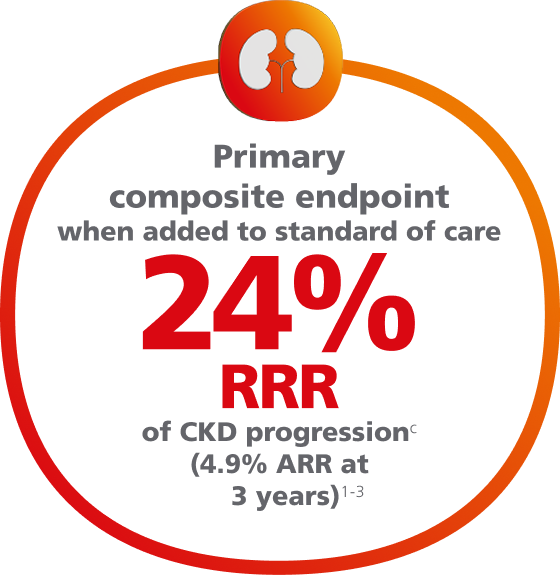
Help protect your patients by reducing their risk of CKD progression1,2
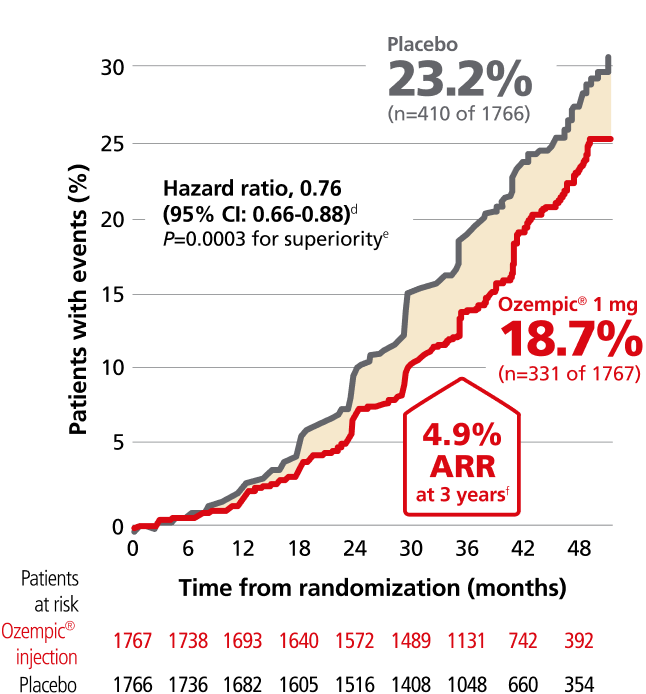
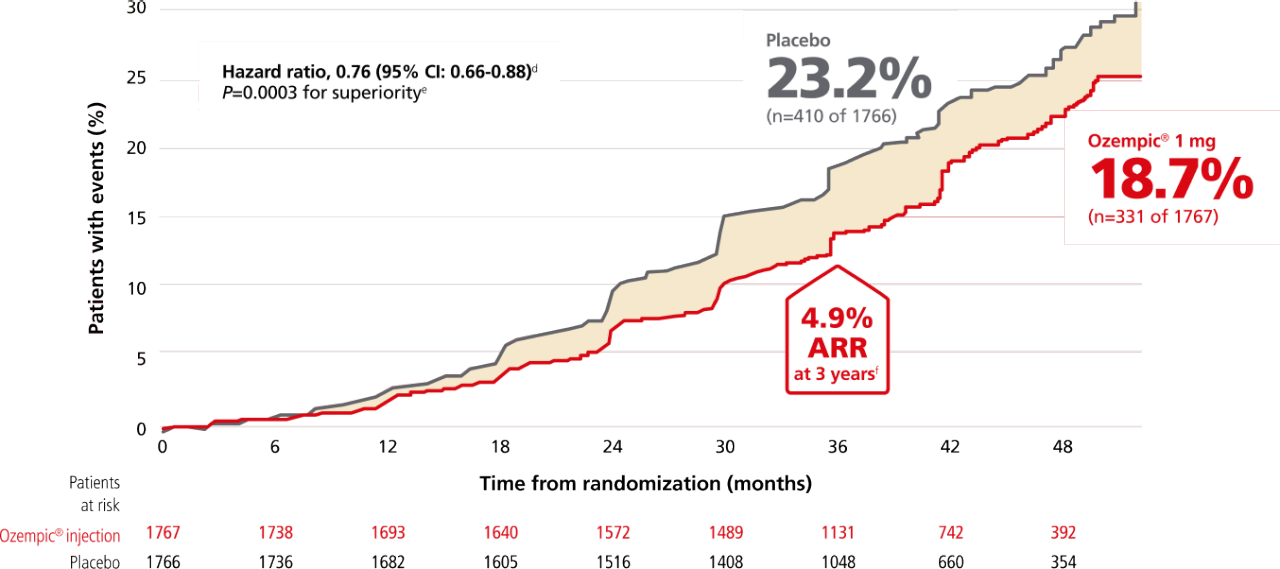
For adults with T2D, for the primary composite endpoint: Time to first occurrence of ≥50% sustained eGFR decline, kidney failure (sustained eGFR <15 mL/min/1.73 m2, or initiation of long-term dialysis, or transplantation), or renal or CV death vs placebo when added to standard of care1,2,a
Cumulative incidence: Time to first occurrence of the primary composite endpoint1-3,b,c
aThe eGFR was calculated with serum creatinine level and the Chronic Kidney Disease Epidemiology Collaboration 2009 formula. Events not related to the eGFR were evaluated by the event adjudication committee. Sustained was defined as having 2 consecutive measurements ≥28 days apart by fulfilling the criteria.2
bA CIF plot graphically shows the probability of an event occurring over time, from randomization to the first event in the presence of competing risks. The relative risk reduction is calculated based on the sum of the events in the trial.4
cCumulative incidence estimates are based on time from randomization to first composite renal event with non-CV and non-renal death modeled as competing risk. The x-axis is truncated at 52 months where approximately 5% of the population was in the trial. Median follow-up was 41 months.1,2
dCox proportional hazards model with treatment as factor and stratified by baseline use of SGLT-2i at baseline (yes or no).1
eTwo-sided P value for the test of no difference. The significance level was 0.03224.1
fARR reported at 3 years in a prespecified supplementary analysis.3
Ozempic® in FLOW: the only GLP-1 RA indicated for T2D and CKD1,2
FLOW: A landmark clinical trial assessing renal and cardiovascular outcomes with Ozempic® in adults with T2D and CKD
A randomized, double-blind, placebo-controlled, event-driven trial that followed 3533 patients with type 2 diabetes and chronic kidney disease (eGFR 25 to 75 mL/min/1.73 m2 with UACR >100 mg/g and <5000 mg/g) for a median follow-up of 41 months.1,2
At baseline, patients had a mean eGFR of 47 mL/min/1.73 m2 and a median UACR of 568 mg/g (11% of patients had an eGFR <30 mL/min/1.73 m2 and 69% of patients with UACR >300 mg/g at baseline).1,2
At baseline, 95% of patients were treated with an ACE inhibitor or ARB, 16% were on an SGLT-2i, 76% were on a statin, and 50% were on an antiplatelet agent.1,2
FLOW: kidney outcomes study design2,4,5
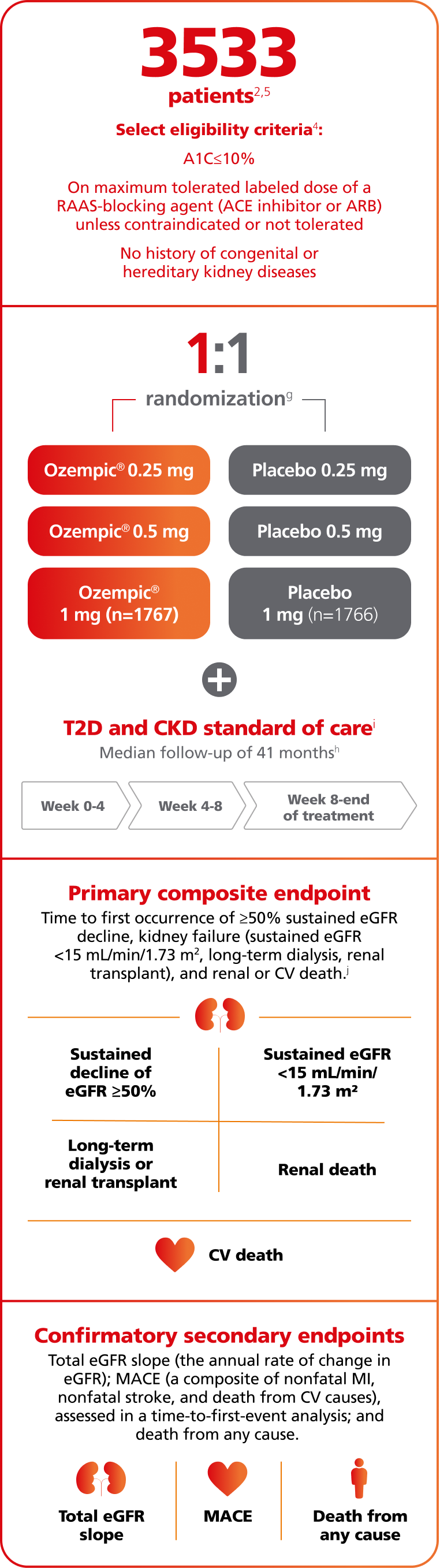
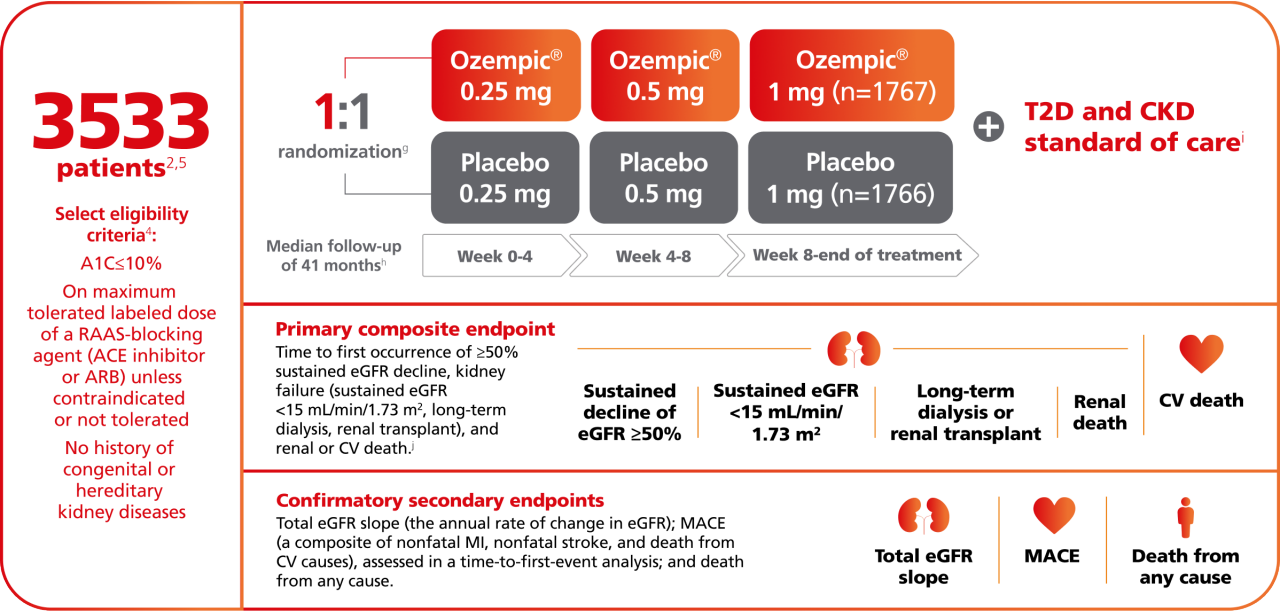
gRandomization was stratified according to SGLT-2i use at baseline.2
hAn 8-week dose-escalation regimen was used, with dose escalation from 0.25 mg per week for 4 weeks then 0.5 mg per week for another 4 weeks, followed by maintenance dose of 1 mg per week throughout remainder of the treatment period.2
iDuring the trial, investigators were encouraged to optimize standard-of-care treatment for T2D, CKD, and CVD risk management according to local treatment practice.6
jSustained was defined as having 2 consecutive measurements ≥28 days apart fulfilling the criteria. Death from cardiovascular causes included both death from cardiovascular cause and death from undetermined causes.2
Scroll below for CKD outcomes by weight-loss category (post hoc analysis)
68% of patients were at very high risk for CKD progression2,k
Patient characteristics at baseline (N=3533)1,2
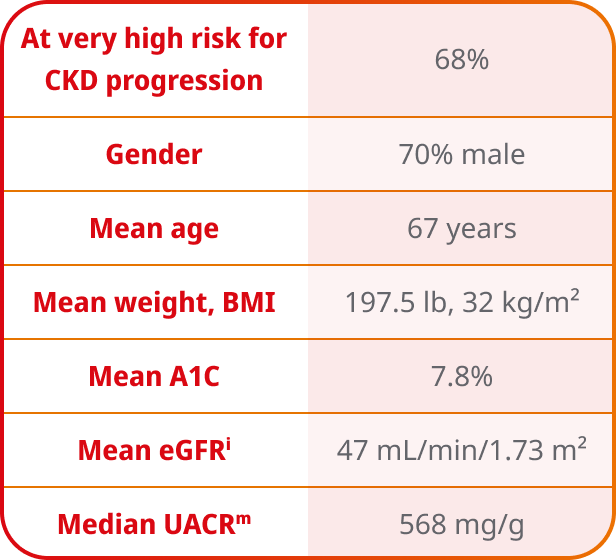

kPatients were classified as very high risk for CKD progressing according to Kidney Disease: Improving Global Outcomes (KDIGO) risk calculators based on GFR and albuminuria categories.2
lFor eGFR, the baseline assessment is defined as the mean of the two assessments from the randomization visit and the screening visit. If only one of the assessment was available, it was used as the baseline assessment. The mean eGFR is based on the serum creatinine level and the Chronic Kidney Disease Epidemiology Collaboration 2009 equation.2
mThe UACR was calculated with albumin measured in milligrams and creatinine measured in grams.2
Majority of patients were treated with standard of care1,2,n,o
Summary of medication at baseline (N=3533)1,2,6
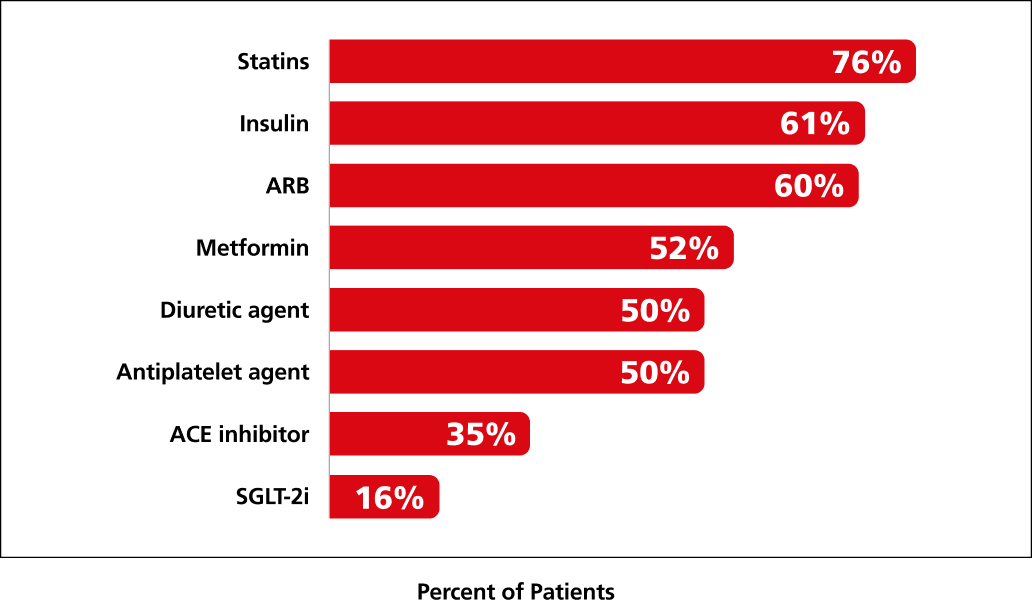
Select CV and CKD baseline characteristics (N=3533)1,2
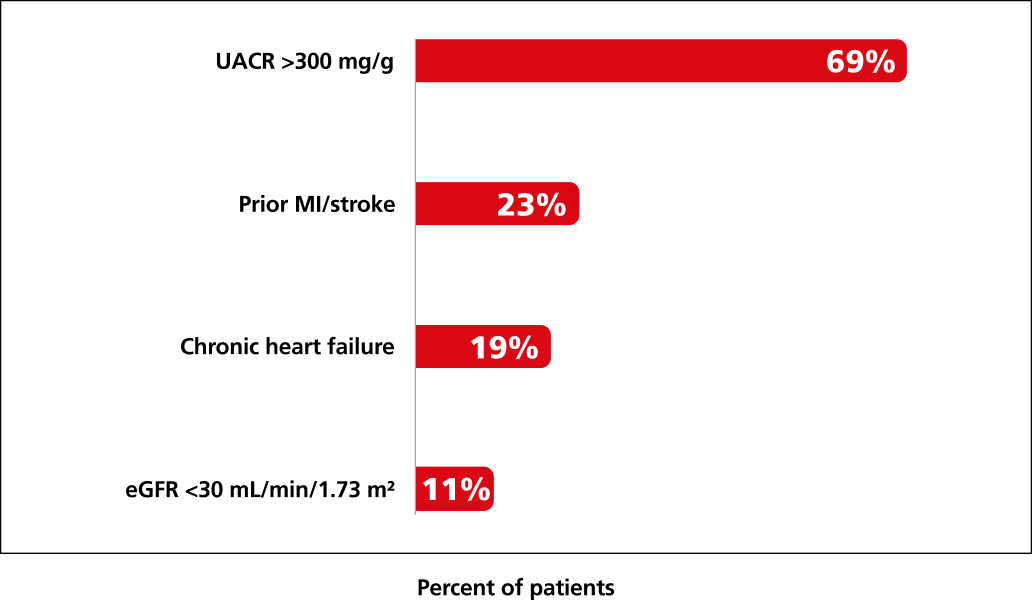
nAt baseline patients in FLOW were receiving standard-of-care background therapy, including a maximum tolerated label dose of a RAAS-blocking agent including an ACE inhibitor or an ARB, unless such treatment was contraindicated or not tolerated.1
oInvestigators were encouraged to optimize standard-of-care treatment for T2D, CKD, and CV risk management according to local treatment practice.6
ACE=angiotensin-converting enzyme; ARB=angiotensin receptor blocker; BMI=body mass index; CKD=chronic kidney disease; CV=cardiovascular; eGFR=estimated glomerular filtration rate; GFR=glomerular filtration rate; MI=myocardial infarction; RAAS=renin-angiotensin-aldosterone system; SGLT-2i=sodium-glucose co-transporter-2 inhibitor; T2D=type 2 diabetes; UACR=urine albumin-to-creatinine ratio.
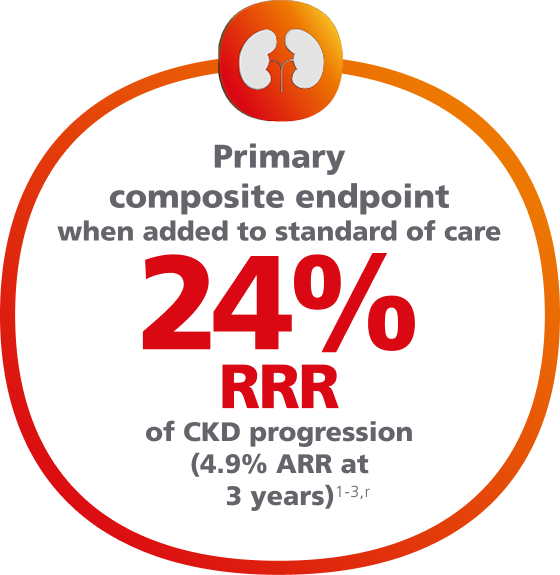
Ozempic® achieved significance in the primary composite endpoint1,2
For adults with T2D and CKD, for the primary composite endpoint: Time to first occurrence of ≥50% sustained eGFR decline, kidney failure (sustained eGFR <15 mL/min/1.73 m2, or initiation of long-term dialysis, or transplantation), or renal or CV death vs placebo when both were added to standard of care1,2,p
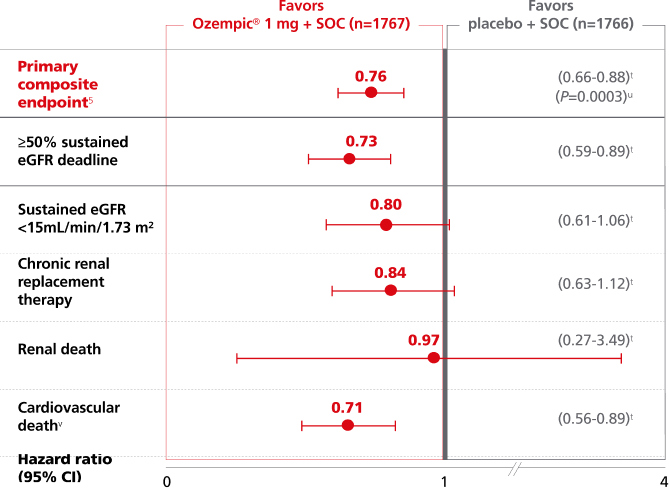
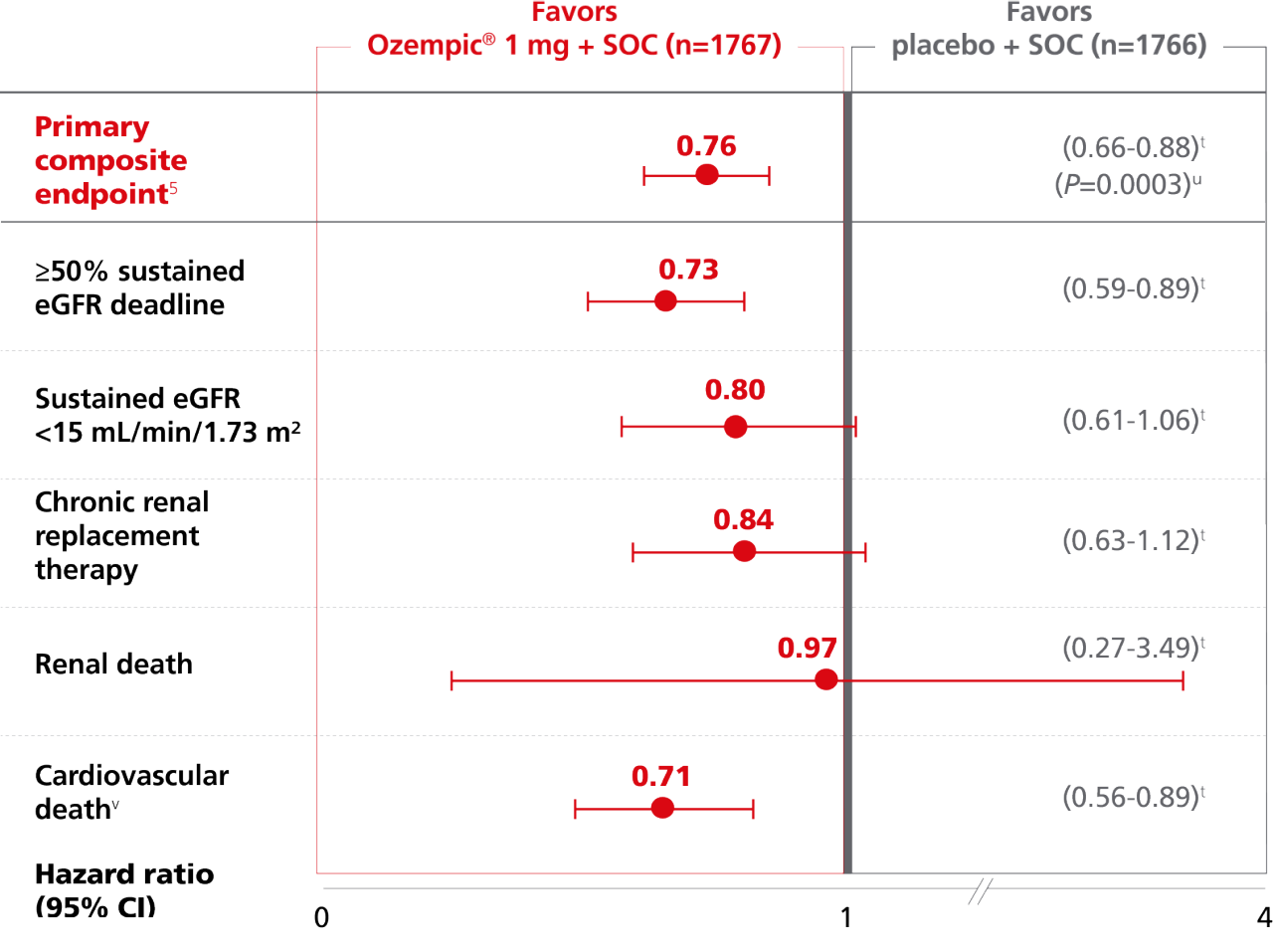
This study was not powered to detect a difference in the individual endpoints of the composite primary endpoint.
Overall, the primary composite endpoint occurred in 331 patients of 1767 (18.7%) on Ozempic® (1 mg) and 410 patients of 1766 (23.2%) on placebo (HR, 0.76 [95% CI: 0.66-0.88] P=0.0001 for superiority).1
≥50% sustained eGFR decline occurred in 165 patients (9.3%) on Ozempic® and 213 patients (12.1%) on placebo. Sustained eGFR <15 mL/min/1.73 m2 occurred in 92 patients (5.2%) on Ozempic® and 110 patients (6.2%) on placebo. Chronic renal replacement therapy occurred in 87 patients (4.9%) on Ozempic® and 100 patients (5.7%) on placebo. Renal death occurred in 5 patients (0.3%) on Ozempic® and 5 patients (0.3%) on placebo. CV death occurred in 123 patients (7.0%) on Ozempic® and 169 patients (9.6%) on placebo.1
pSustained was defined as having 2 consecutive measurements ≥28 days apart fulfilling the criteria.1
qA CIF plot graphically shows the probability of an event occurring over time. From randomization to the first event in the presence of competing risks. The relative risk reduction is calculated based on the sum of events in the trial.4
r4.9% ARR reported at 3 years in prespecified supplementary analysis.3
sData are for the full analysis population from the in-trial period (from randomization to the end of trial participation). Data from participants without events of interest were censored at the end of their in-trial period. Median follow-up was 41 months.1,2
tCox proportional hazards model with treatment as factor and stratified by baseline use of SGLT-2i at baseline (yes or no).1
uTwo-sided P value for the test of no difference. The significance level was 0.03224.1
vDeath from cardiovascular causes, as confirmed by the event adjudication committee, includes both death from cardiovascular causes and death from undetermined causes adjudicated by that committee.2
CKD confirmatory secondary endpoints
Significant 18% RRR of MACE with Ozempic®2
For adults with T2D and CKD, for a confirmatory secondary endpoint: Time to first occurrence of MACE (CV death, nonfatal MI, or nonfatal stroke) vs placebo when both were added to standard of care1,2
Time to first MACE1-3,w-z
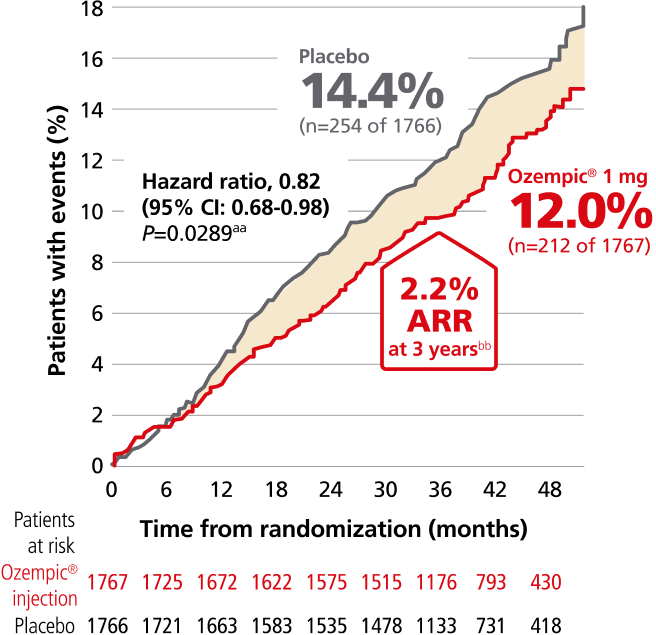
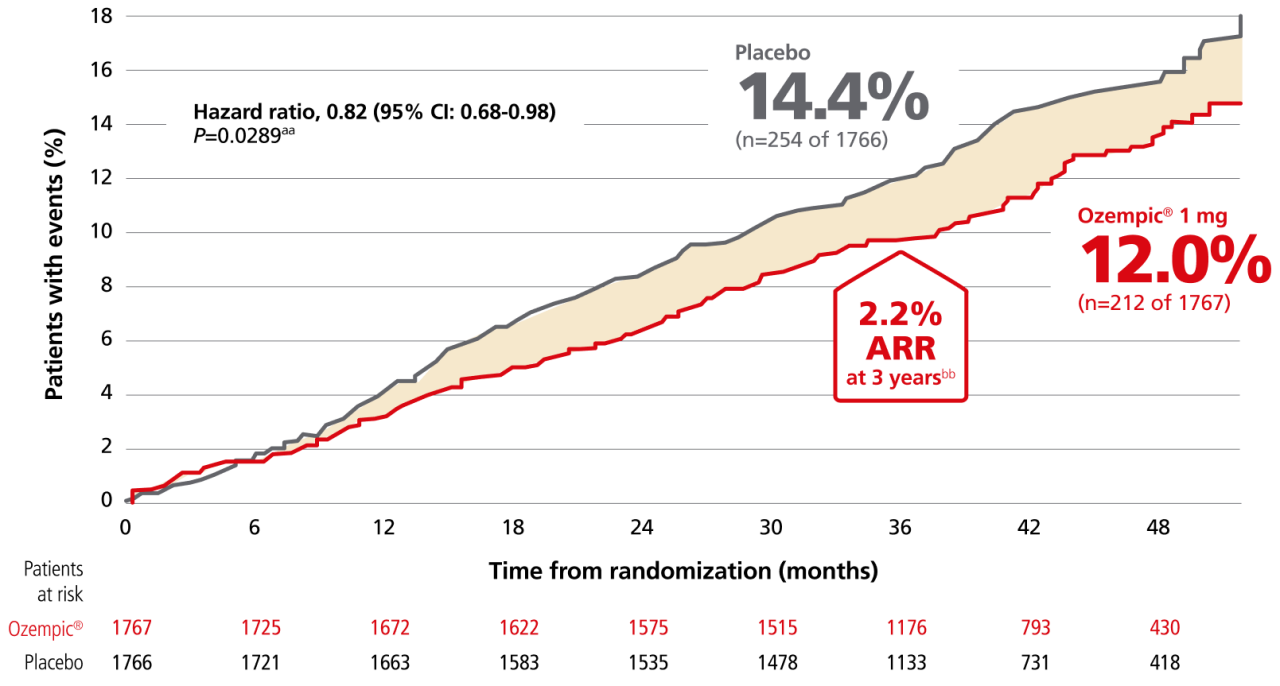
wCumulative incidence estimates are based on time from randomization to first EAC-confirmed MACE with non-CV death modelled as a competing risk. The x-axis is truncated at 52 months where approximately 5% of the population was in the trial.1
xComposite major CV events were analyzed in a time-to-first-event analysis with a Cox proportional-hazards model with treatment as a categorical fixed factor and stratified according to SGLT-2i use as baseline.2
yData from participants without events of interest were censored at the end of their in-trial period.1
zDeath from CV causes, as confirmed by the event adjudication committee, includes both death from cardiovascular cause and from undetermined causes adjudicated by that committee.
aaTwo-sided P value for the test of no difference. The significance level was 0.03224.1
bb2.2% ARR reported at 3 years in a prespecified supplementary analysis.3
ARR=absolute risk reduction; CI=confidence interval; CKD=chronic kidney disease; CV=cardiovascular; EAC=external adjudication committee; MACE=major adverse cardiovascular event; MI=myocardial infarction; RRR=relative risk reduction; SGLT-2i=sodium-glucose co-transporter-2 inhibitor; T2D=type 2 diabetes.
Significant reduction in all-cause mortality with Ozempic®1
For adults with T2D and CKD for a confirmatory secondary endpoint: time to first occurrence of all-cause mortality vs placebo when both were added to standard of care1,2
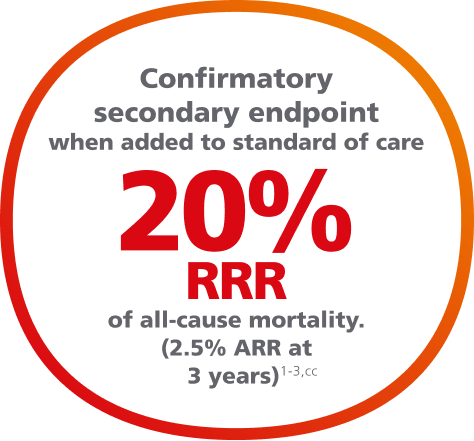
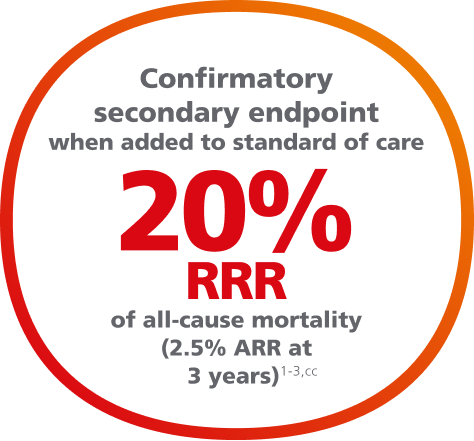
All cause death1-3
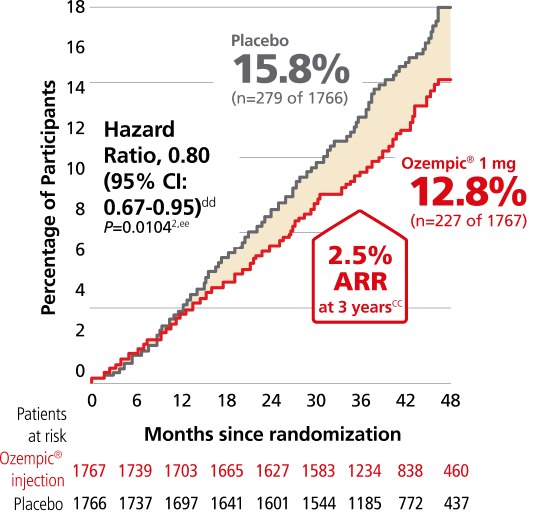
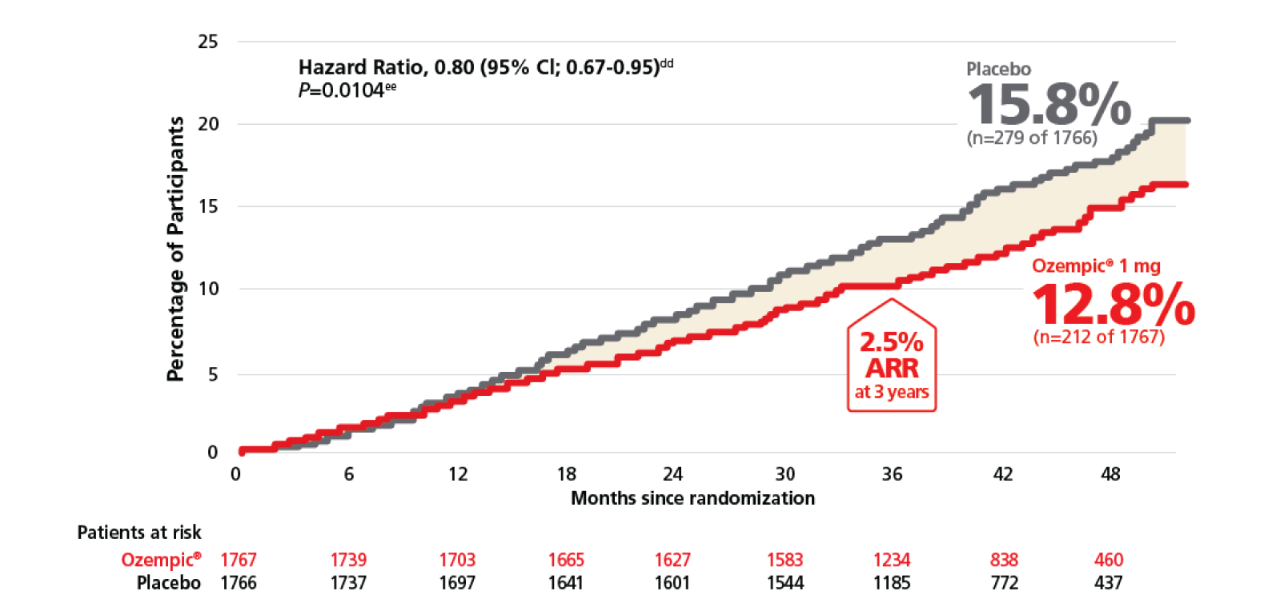
cc2.5% ARR reported at 3 years in pre-specified supplementary analysis.3
ddCox proportional hazards model with treatment as a factor and stratified by baseline use of SGLT-2i at baseline (yes or no).1
eeTwo-sided P value for the test of no difference. The significance level was 0.03224.1
ARR=absolute risk reduction; CI=confidence interval; CKD=chronic kidney disease; RRR=relative risk reduction; SGLT-2i=sodium-glucose co-transporter-2 inhibitor; T2D=type 2 diabetes.
Ozempic® reduced the annual rate of change in eGFR1
For adults with T2D and CKD for a confirmatory secondary endpoint: observed mean change in eGFR over time (the annual rate of change in eGFR) vs placebo when both were added to standard of care1,2
Observed mean plot: eGFR (mL/min/1.73 m2) by week in FLOW trial1,2,ff
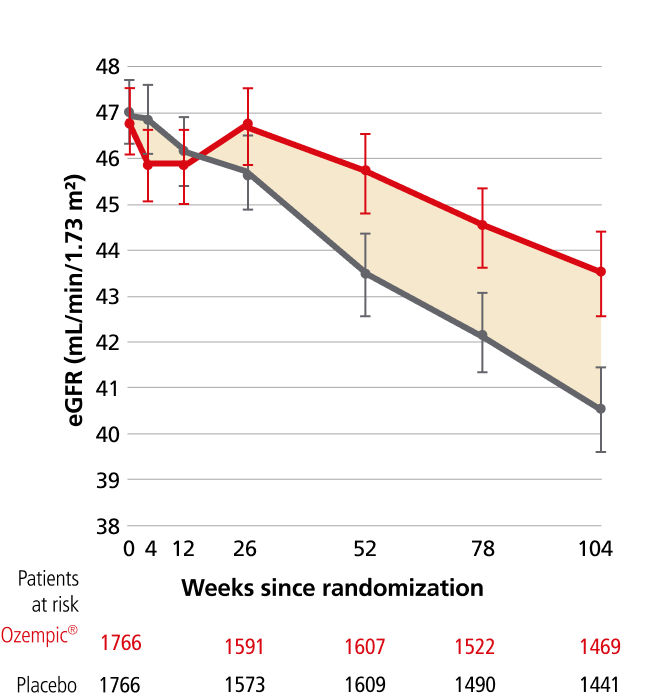
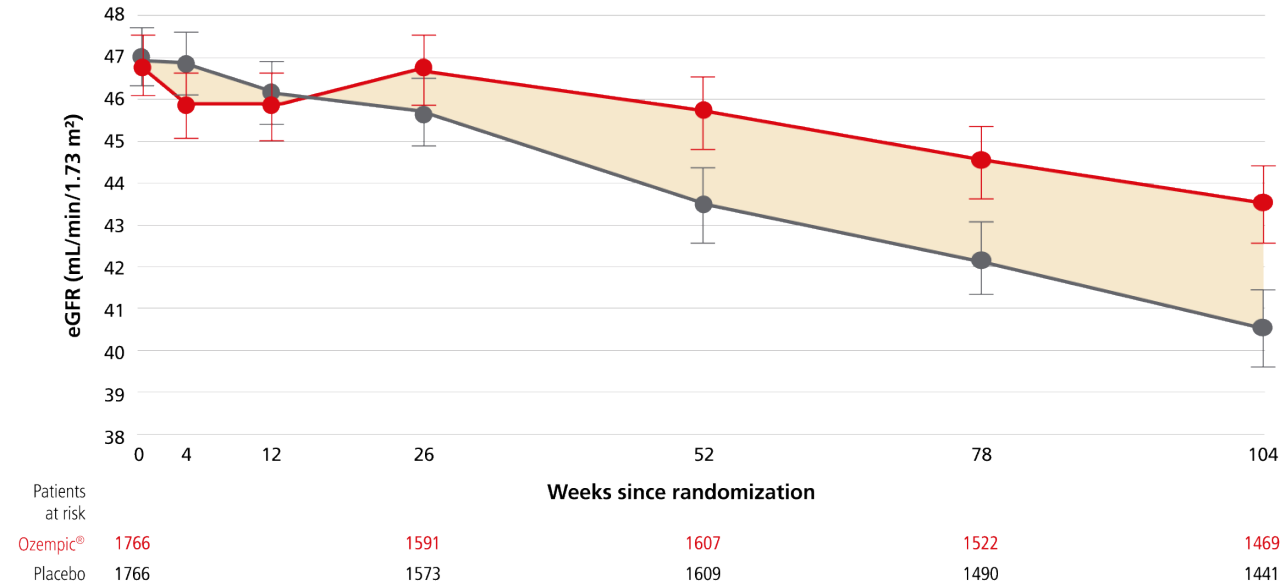
ffObserved data from the in-trial period until Week 104. Error bars are +/- 1.96 *standard error of the mean eGFR, which was calculated using the CKD-EPI 2009 formula.1
CKD=chronic kidney disease; CKD-EPI=Chronic Kidney Disease Epidemiology Collaboration; eGFR=estimated glomerular filtration rate; T2D=type 2 diabetes.
This analysis is descriptive and observational only and not intended to inform clinical decisions.
The clinical validity of these results cannot be determined.
This post hoc exploratory subgroup analysis was not prespecified in the trial and the trial was neither designed nor powered for this analysis. As such, the analysis is hypothesis-generating, not hypothesis testing.
These data were analyzed by Novo Nordisk and the results are not published.
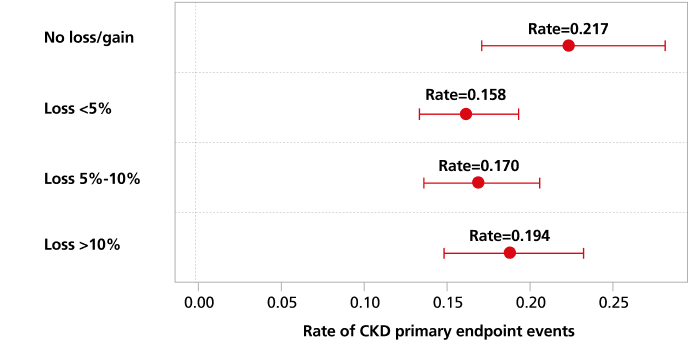
No apparent differences were observed in rates of CKD events across weight-change subgroups3
Mean change in body weight from baseline to Week 104 was a supportive secondary endpoint in FLOW.3
Ozempic® is not indicated for weight loss
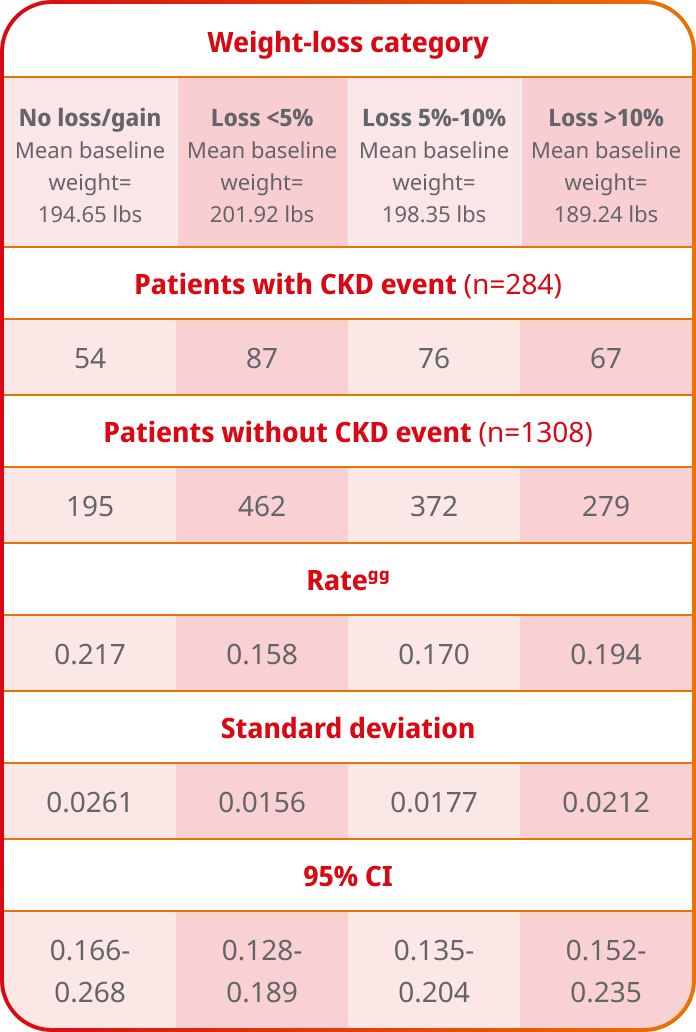
Forest plot of CKD events by weight-loss category with 95% CI3
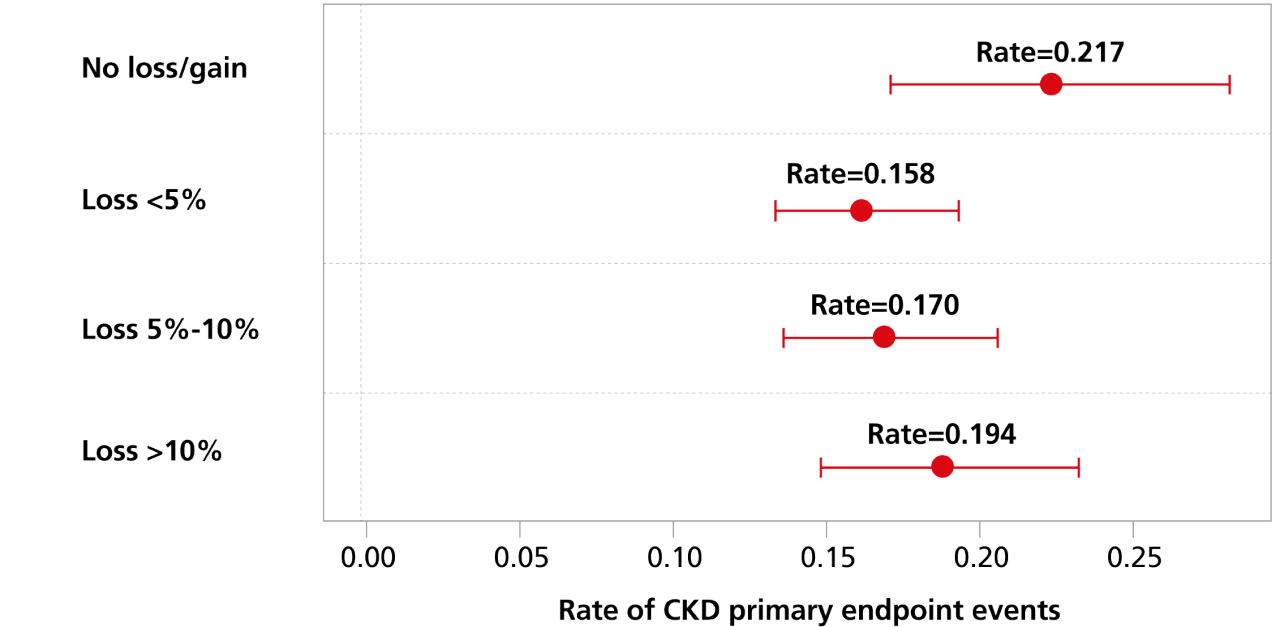
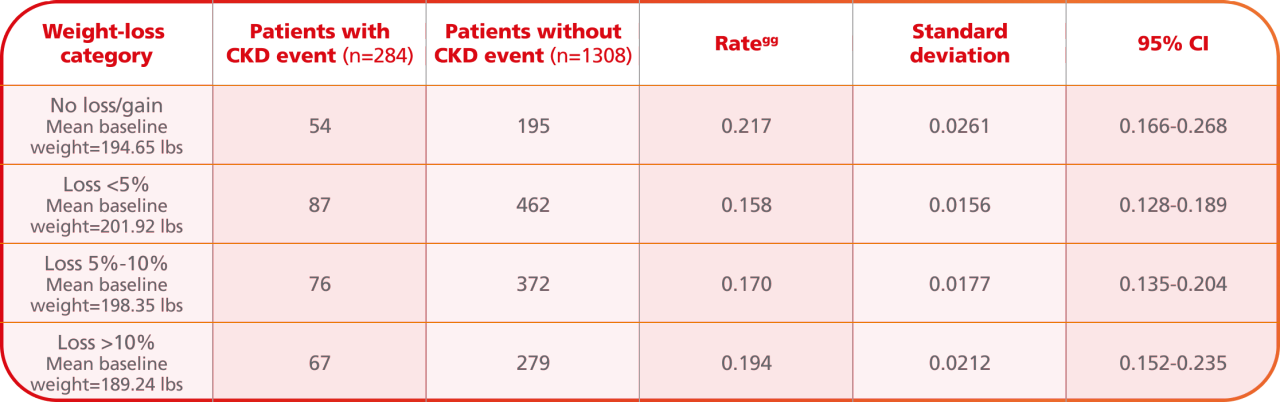
ggNumber of patients with a MACE divided by the total number of patients per subgroup.3
FLOW: Post hoc analysis3
Study design: The primary objective of this observational, post hoc analysis of FLOW was to examine the rate of 5 component CKD endpoints (defined as a composite of the onset of kidney failure [dialysis, transplantation, or an eGFR of <15 mL/min/1.73 m2], at least a 50% reduction in the eGFR from baseline, or death from kidney-related or cardiovascular causes) after initiation of Ozempic® (N=1592) among participants in the FLOW trial by weight-loss groups, with a median follow-up of 3.4 years. Weight loss was defined as the difference in weight recorded at Week 0 and the latest weight recorded prior to Week 52. Patients experiencing any of the composite 5-point CKD events or who had incomplete data (including those who withdrew) during the weight-loss period were excluded from the analysis.
Limitations: The study is subject to the inherent limitations typical to post hoc clinical trial analyses. In this case, sample size (N=1666) and generalizability are the most limiting factors of this analysis, since we are limited to the data collected during the FLOW trial and are focused only on patients who were taking Ozempic®. Adjustments for potential confounding variables were made, though residual and unmeasured confounding is still a possibility. To better adjust for confounders, specific covariates were selected to model the relationship between confounding factors and the exposure. There are other variables that may influence the relationship between weight-loss category and CKD or CV events during the trial, such as family history or length of atherosclerotic CVD or CKD history, which we do not have access to in this data set. Additionally, there may have been selection bias in the original recruitment of the trial, which spans across multiple countries.
For CKD benefit
Recommended Dosage for Patients with Type 2 Diabetes and CKD:
Initiate Ozempic® with a dosage of 0.25 mg once weekly for 4 weeks. After 4 weeks on the 0.25 mg, increase the dosage to 0.5 mg once weekly. Increase to the maintenance dosage, 1 mg once weekly, after at least 4 weeks on the 0.5 mg dosage.
More ways to help your patients with T2D


ACE=angiotensin-converting enzyme; ARB=angiotensin receptor blocker; ARR=absolute risk reduction; CI=confidence interval; CIF=cumulative incidence function; CKD=chronic kidney disease; CV=cardiovascular; CVD=cardiovascular disease; eGFR=estimated glomerular filtration rate; GLP-1 RA=glucagon-like peptide-1 receptor agonist; HR=hazard ratio; MACE=major adverse cardiovascular event; RAAS=renin-angiotensin-aldosterone system; RRR=relative risk reduction; SGLT-2=sodium-glucose co-transporter-2; SGLT-2i=sodium-glucose co-transporter-2 inhibitor; SOC=standard of care; T2D=type 2 diabetes; UACR=urine albumin-to-creatinine ratio.
Important Safety Information for Ozempic®
WARNING: RISK OF THYROID C-CELL TUMORS
- In rodents, semaglutide causes dose-dependent and treatment-duration- dependent thyroid C-cell tumors at clinically relevant exposures. It is unknown whether Ozempic® causes thyroid C-cell tumors, including medullary thyroid carcinoma (MTC), in humans as human relevance of semaglutide-induced rodent thyroid C-cell tumors has not been determined
- Ozempic® is contraindicated in patients with a personal or family history of MTC or in patients with Multiple Endocrine Neoplasia syndrome type 2 (MEN 2). Counsel patients regarding the potential risk for MTC with the use of Ozempic® and inform them of symptoms of thyroid tumors (e.g., a mass in the neck, dysphagia, dyspnea, persistent hoarseness). Routine monitoring of serum calcitonin or using thyroid ultrasound is of uncertain value for early detection of MTC in patients treated with Ozempic®
Contraindications
- Ozempic® is contraindicated in patients with a personal or family history of MTC or in patients with MEN 2, and in patients with a prior serious hypersensitivity reaction to semaglutide or to any of the excipients in Ozempic®. Serious hypersensitivity reactions including anaphylaxis and angioedema have been reported with Ozempic®
Warnings and Precautions
- Risk of Thyroid C-Cell Tumors: Patients should be further evaluated if serum calcitonin is measured and found to be elevated or thyroid nodules are noted on physical examination or neck imaging
- Acute Pancreatitis: Acute pancreatitis, including fatal and nonfatal hemorrhagic or necrotizing pancreatitis, has been observed in patients treated with GLP-1 receptor agonists, including semaglutide. Observe patients carefully for signs and symptoms of acute pancreatitis, which may include persistent or severe abdominal pain (sometimes radiating to the back), with or without nausea or vomiting. If pancreatitis is suspected, discontinue Ozempic® and initiate appropriate management
- Diabetic Retinopathy Complications: In a 2-year trial involving patients with type 2 diabetes and high cardiovascular risk, more events of diabetic retinopathy complications occurred in patients treated with Ozempic® injection (3%) compared to placebo (1.8%). In a pooled analysis of glycemic control trials, patients reported diabetic retinopathy related adverse reactions during the trial (4.2% with semaglutide tablets and 3.8% with comparator). The absolute risk increase for diabetic retinopathy complications was larger among patients with a history of diabetic retinopathy at baseline than among patients without a known history.
Rapid improvement in glucose control has been associated with a temporary worsening of diabetic retinopathy. Patients with a history of diabetic retinopathy should be monitored for progression of diabetic retinopathy - Never Share an Ozempic® Pen Between Patients: Ozempic® pens must never be shared between patients, even if the needle is changed. Pen-sharing poses a risk for transmission of blood-borne pathogens
- Hypoglycemia: Patients receiving Ozempic® in combination with an insulin secretagogue (e.g., sulfonylurea) or insulin may have an increased risk of hypoglycemia, including severe hypoglycemia. Inform patients using these concomitant medications of the risk of hypoglycemia and educate them on the signs and symptoms of hypoglycemia
- Acute Kidney Injury Due to Volume Depletion: There have been postmarketing reports of acute kidney injury, in some cases requiring hemodialysis, in patients treated with semaglutide. The majority of reported events occurred in patients who experienced gastrointestinal reactions leading to dehydration such as nausea, vomiting, or diarrhea. Monitor renal function in patients reporting adverse reactions to Ozempic® that could lead to volume depletion, especially during dosage initiation and escalation
- Severe Gastrointestinal (GI) Adverse Reactions: Use of Ozempic® has been associated with GI adverse reactions, sometimes severe. In clinical trials, severe GI adverse reactions were reported more frequently among patients who received Ozempic® injection (0.5 mg 0.4%, 1 mg 0.8%) than placebo (0%); and severe GI adverse reactions were reported more frequently among patients who received semaglutide tablets (7 mg 0.6%, 14 mg 2%) than placebo (0.3%). Severe GI adverse reactions have also been reported postmarketing with GLP-1 receptor agonists. Ozempic® is not recommended in patients with severe gastroparesis
- Hypersensitivity: Serious hypersensitivity reactions (e.g., anaphylaxis, angioedema) have been reported in patients treated with Ozempic®. If hypersensitivity reactions occur, discontinue use of Ozempic®; treat promptly per standard of care, and monitor until signs and symptoms resolve. Use caution in a patient with a history of angioedema or anaphylaxis with another GLP-1 receptor agonist
- Acute Gallbladder Disease: Acute events of gallbladder disease such as cholelithiasis or cholecystitis have been reported in GLP-1 receptor agonist trials and postmarketing. In placebo-controlled trials, cholelithiasis was reported in 1.5% and 0.4% of patients treated with Ozempic® injection 0.5 mg and 1 mg, respectively, and not reported in placebo-treated patients. In placebo-controlled trials to improve glycemic control, cholelithiasis was reported in 1% of patients treated with semaglutide tablets 7 mg. In a 4-year CV outcomes trial (Trial 7), cholelithiasis was reported in 1.1% of patients treated with semaglutide tablets 14 mg and in 0.9% of placebo-treated patients. In Trial 7, cholecystitis was reported in 1.1% treated with semaglutide tablets 14 mg and in 0.7% of placebo-treated patients. If cholelithiasis is suspected, gallbladder studies and appropriate clinical follow-up are indicated
- Pulmonary Aspiration During General Anesthesia or Deep Sedation: Ozempic® delays gastric emptying. There have been rare postmarketing reports of pulmonary aspiration in patients receiving GLP-1 receptor agonists undergoing elective surgeries or procedures requiring general anesthesia or deep sedation who had residual gastric contents despite reported adherence to preoperative fasting recommendations. Instruct patients to inform healthcare providers prior to any planned surgeries or procedures if they are taking Ozempic®
Adverse Reactions
- The most common adverse reactions reported in ≥5% of patients taking Ozempic® are nausea, vomiting, diarrhea, abdominal pain, and constipation. Decreased appetite was also reported in ≥5% of patients taking semaglutide tablets
Drug Interactions
- When initiating Ozempic®, consider reducing the dose of concomitantly administered insulin secretagogue (such as sulfonylureas) or insulin to reduce the risk of hypoglycemia
- Ozempic® causes a delay of gastric emptying and has the potential to impact the absorption of concomitantly administered oral medications. Monitor the effects of oral medications concomitantly administered with Ozempic®. Consider increased clinical or laboratory monitoring for medications that have a narrow therapeutic index or that require clinical monitoring
Use in Specific Populations
- Pregnancy: Available data with semaglutide use in pregnant women are not sufficient to determine a drug associated risk for major birth defects, miscarriage, or other adverse maternal or fetal outcomes. Discontinue Ozempic® in women at least 2 months before a planned pregnancy due to the long washout period for semaglutide
- Lactation: A clinical lactation study reported semaglutide concentrations below the lower limit of quantification in human breast milk. However, salcaprozate sodium (SNAC) and/or its metabolites are present in human milk. Because of the unknown potential for serious adverse reactions in the breastfed infant due to the possible accumulation of SNAC, an absorption enhancer for Ozempic® tablets, and because there are alternative formulations of semaglutide that do not contain SNAC that can be used during lactation, advise patients that breastfeeding is not recommended during treatment with Ozempic® tablets
Please click here for Ozempic® injection Prescribing Information, including Boxed Warning.
Please click here for Ozempic® tablets Prescribing Information, including Boxed Warning.
Indications and Usage
Ozempic® (semaglutide) injection 0.5 mg, 1 mg, or 2 mg and Ozempic® (semaglutide) tablets 4 mg or 9 mg are indicated:
- as an adjunct to diet and exercise to improve glycemic control in adults with type 2 diabetes
Ozempic® injection is indicated:
- to reduce the risk of major adverse cardiovascular (CV) events (CV death, nonfatal myocardial infarction, or nonfatal stroke) in adults with type 2 diabetes and established CV disease
- to reduce the risk of sustained eGFR decline, end-stage kidney disease, and cardiovascular death in adults with type 2 diabetes and chronic kidney disease
Ozempic® tablets are indicated:
- to reduce the risk of major adverse cardiovascular (CV) events (CV death, nonfatal myocardial infarction, or nonfatal stroke) in adults with type 2 diabetes who are at high risk for these events
Important Safety Information for Ozempic®
WARNING: RISK OF THYROID C-CELL TUMORS
- In rodents, semaglutide causes dose-dependent and treatment-duration- dependent thyroid C-cell tumors at clinically relevant exposures. It is unknown whether Ozempic® causes thyroid C-cell tumors, including medullary thyroid carcinoma (MTC), in humans as human relevance of semaglutide-induced rodent thyroid C-cell tumors has not been determined
- Ozempic® is contraindicated in patients with a personal or family history of MTC or in patients with Multiple Endocrine Neoplasia syndrome type 2 (MEN 2). Counsel patients regarding the potential risk for MTC with the use of Ozempic® and inform them of symptoms of thyroid tumors (e.g., a mass in the neck, dysphagia, dyspnea, persistent hoarseness). Routine monitoring of serum calcitonin or using thyroid ultrasound is of uncertain value for early detection of MTC in patients treated with Ozempic®
Important Safety Information for Ozempic®
WARNING: RISK OF THYROID C-CELL TUMORS
- In rodents, semaglutide causes dose-dependent and treatment-duration- dependent thyroid C-cell tumors at clinically relevant exposures. It is unknown whether Ozempic® causes thyroid C-cell tumors, including medullary thyroid carcinoma (MTC), in humans as human relevance of semaglutide-induced rodent thyroid C-cell tumors has not been determined
- Ozempic® is contraindicated in patients with a personal or family history of MTC or in patients with Multiple Endocrine Neoplasia syndrome type 2 (MEN 2). Counsel patients regarding the potential risk for MTC with the use of Ozempic® and inform them of symptoms of thyroid tumors (e.g., a mass in the neck, dysphagia, dyspnea, persistent hoarseness). Routine monitoring of serum calcitonin or using thyroid ultrasound is of uncertain value for early detection of MTC in patients treated with Ozempic®
Contraindications
- Ozempic® is contraindicated in patients with a personal or family history of MTC or in patients with MEN 2, and in patients with a prior serious hypersensitivity reaction to semaglutide or to any of the excipients in Ozempic®. Serious hypersensitivity reactions including anaphylaxis and angioedema have been reported with Ozempic®
Warnings and Precautions
- Risk of Thyroid C-Cell Tumors: Patients should be further evaluated if serum calcitonin is measured and found to be elevated or thyroid nodules are noted on physical examination or neck imaging
- Acute Pancreatitis: Acute pancreatitis, including fatal and nonfatal hemorrhagic or necrotizing pancreatitis, has been observed in patients treated with GLP-1 receptor agonists, including semaglutide. Observe patients carefully for signs and symptoms of acute pancreatitis, which may include persistent or severe abdominal pain (sometimes radiating to the back), with or without nausea or vomiting. If pancreatitis is suspected, discontinue Ozempic® and initiate appropriate management
- Diabetic Retinopathy Complications: In a 2-year trial involving patients with type 2 diabetes and high cardiovascular risk, more events of diabetic retinopathy complications occurred in patients treated with Ozempic® injection (3%) compared to placebo (1.8%). In a pooled analysis of glycemic control trials, patients reported diabetic retinopathy related adverse reactions during the trial (4.2% with semaglutide tablets and 3.8% with comparator). The absolute risk increase for diabetic retinopathy complications was larger among patients with a history of diabetic retinopathy at baseline than among patients without a known history.
Rapid improvement in glucose control has been associated with a temporary worsening of diabetic retinopathy. Patients with a history of diabetic retinopathy should be monitored for progression of diabetic retinopathy - Never Share an Ozempic® Pen Between Patients: Ozempic® pens must never be shared between patients, even if the needle is changed. Pen-sharing poses a risk for transmission of blood-borne pathogens
- Hypoglycemia: Patients receiving Ozempic® in combination with an insulin secretagogue (e.g., sulfonylurea) or insulin may have an increased risk of hypoglycemia, including severe hypoglycemia. Inform patients using these concomitant medications of the risk of hypoglycemia and educate them on the signs and symptoms of hypoglycemia
- Acute Kidney Injury Due to Volume Depletion: There have been postmarketing reports of acute kidney injury, in some cases requiring hemodialysis, in patients treated with semaglutide. The majority of reported events occurred in patients who experienced gastrointestinal reactions leading to dehydration such as nausea, vomiting, or diarrhea. Monitor renal function in patients reporting adverse reactions to Ozempic® that could lead to volume depletion, especially during dosage initiation and escalation
- Severe Gastrointestinal (GI) Adverse Reactions: Use of Ozempic® has been associated with GI adverse reactions, sometimes severe. In clinical trials, severe GI adverse reactions were reported more frequently among patients who received Ozempic® injection (0.5 mg 0.4%, 1 mg 0.8%) than placebo (0%); and severe GI adverse reactions were reported more frequently among patients who received semaglutide tablets (7 mg 0.6%, 14 mg 2%) than placebo (0.3%). Severe GI adverse reactions have also been reported postmarketing with GLP-1 receptor agonists. Ozempic® is not recommended in patients with severe gastroparesis
- Hypersensitivity: Serious hypersensitivity reactions (e.g., anaphylaxis, angioedema) have been reported in patients treated with Ozempic®. If hypersensitivity reactions occur, discontinue use of Ozempic®; treat promptly per standard of care, and monitor until signs and symptoms resolve. Use caution in a patient with a history of angioedema or anaphylaxis with another GLP-1 receptor agonist
- Acute Gallbladder Disease: Acute events of gallbladder disease such as cholelithiasis or cholecystitis have been reported in GLP-1 receptor agonist trials and postmarketing. In placebo-controlled trials, cholelithiasis was reported in 1.5% and 0.4% of patients treated with Ozempic® injection 0.5 mg and 1 mg, respectively, and not reported in placebo-treated patients. In placebo-controlled trials to improve glycemic control, cholelithiasis was reported in 1% of patients treated with semaglutide tablets 7 mg. In a 4-year CV outcomes trial (Trial 7), cholelithiasis was reported in 1.1% of patients treated with semaglutide tablets 14 mg and in 0.9% of placebo-treated patients. In Trial 7, cholecystitis was reported in 1.1% treated with semaglutide tablets 14 mg and in 0.7% of placebo-treated patients. If cholelithiasis is suspected, gallbladder studies and appropriate clinical follow-up are indicated
- Pulmonary Aspiration During General Anesthesia or Deep Sedation: Ozempic® delays gastric emptying. There have been rare postmarketing reports of pulmonary aspiration in patients receiving GLP-1 receptor agonists undergoing elective surgeries or procedures requiring general anesthesia or deep sedation who had residual gastric contents despite reported adherence to preoperative fasting recommendations. Instruct patients to inform healthcare providers prior to any planned surgeries or procedures if they are taking Ozempic®
Adverse Reactions
- The most common adverse reactions reported in ≥5% of patients taking Ozempic® are nausea, vomiting, diarrhea, abdominal pain, and constipation. Decreased appetite was also reported in ≥5% of patients taking semaglutide tablets
Drug Interactions
- When initiating Ozempic®, consider reducing the dose of concomitantly administered insulin secretagogue (such as sulfonylureas) or insulin to reduce the risk of hypoglycemia
- Ozempic® causes a delay of gastric emptying and has the potential to impact the absorption of concomitantly administered oral medications. Monitor the effects of oral medications concomitantly administered with Ozempic®. Consider increased clinical or laboratory monitoring for medications that have a narrow therapeutic index or that require clinical monitoring
Use in Specific Populations
- Pregnancy: Available data with semaglutide use in pregnant women are not sufficient to determine a drug associated risk for major birth defects, miscarriage, or other adverse maternal or fetal outcomes. Discontinue Ozempic® in women at least 2 months before a planned pregnancy due to the long washout period for semaglutide
- Lactation: A clinical lactation study reported semaglutide concentrations below the lower limit of quantification in human breast milk. However, salcaprozate sodium (SNAC) and/or its metabolites are present in human milk. Because of the unknown potential for serious adverse reactions in the breastfed infant due to the possible accumulation of SNAC, an absorption enhancer for Ozempic® tablets, and because there are alternative formulations of semaglutide that do not contain SNAC that can be used during lactation, advise patients that breastfeeding is not recommended during treatment with Ozempic® tablets
Please click here for Ozempic® injection Prescribing Information, including Boxed Warning.
Please click here for Ozempic® tablets Prescribing Information, including Boxed Warning.
Indications and Usage
Ozempic® (semaglutide) injection 0.5 mg, 1 mg, or 2 mg and Ozempic® (semaglutide) tablets 4 mg or 9 mg are indicated:
- as an adjunct to diet and exercise to improve glycemic control in adults with type 2 diabetes
Ozempic® injection is indicated:
- to reduce the risk of major adverse cardiovascular (CV) events (CV death, nonfatal myocardial infarction, or nonfatal stroke) in adults with type 2 diabetes and established CV disease
- to reduce the risk of sustained eGFR decline, end-stage kidney disease, and cardiovascular death in adults with type 2 diabetes and chronic kidney disease
Ozempic® tablets are indicated:
- to reduce the risk of major adverse cardiovascular (CV) events (CV death, nonfatal myocardial infarction, or nonfatal stroke) in adults with type 2 diabetes who are at high risk for these events
References:
- Ozempic® injection [package insert]. Plainsboro, NJ: Novo Nordisk Inc.
- Perkovic V, Tuttle KR, Rossing P, et al; FLOW Trial Committees and Investigators. Effects of semaglutide on chronic kidney disease in patients with type 2 diabetes. N Engl J Med. 2024;391(2):109-121. doi:10.1056/NEJMoa2403347
- Data on file. Novo Nordisk Inc; Plainsboro, NJ.
- Austin PC, Lee DS, Fine JP. Introduction to the analysis of survival data in the presence of competing risks. Circulation. 2016;133(6):601-609. doi:10.1161/CIRCULATIONAHA.115.017719
- Perkovic V, Tuttle KR, Rossing P, et al. Effects of semaglutide on chronic kidney disease in patients with type 2 diabetes. Supplementary appendix. N Engl J Med. 2024;391(2):109-121. doi:10.1056/NEJMoa2403347
- Rossing P, Baeres FMM, Bakris G, et al. The rationale, design and baseline data of FLOW, a kidney outcomes trial with once-weekly semaglutide in people with type 2 diabetes and chronic kidney disease. Nephrol Dial Transplant. 2023;38(9):2041-2051. doi:10.1093/ndt/gfad009