

Supporting patients from the start.
Resources and support can help your patients get started on and have continued access to Awiqli®.
Actor portrayals

Uninsured patients
Uninsured patients pay $55 for a monthly supply of Awiqli®, up to 2 pen packs (up to 3 mL).a Learn more at NovoCare.com.
Medicare Part D patients
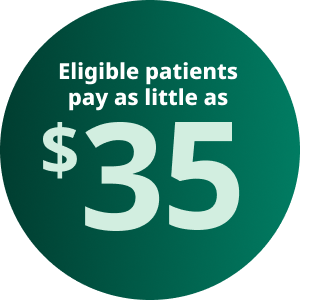
Medicare Part D patients with Awiqli® coverage can expect to pay a maximum of $35 per 28-day supply regardless of deductible or donut hole period.
See all the Awiqli® affordability offerings at NovoCare.com
Direct patients to AwiqliSavings.com to get a savings offer
aEligibility and other restrictions apply.

Awiqli® samples
Awiqli® samples are available through novoMEDLINKTM
Help patients get started

Find NovoCare® savings and support options.
Get the latest updates on novoMEDLINKTM

Create a novoMEDLINKTM account today to be notified about the features of Awiqli® and new resources.
Important Safety Information for Awiqli®
Contraindications
- Awiqli® is contraindicated during episodes of hypoglycemia and in patients with hypersensitivity to insulin icodec-abae or any of the excipients in Awiqli® FlexTouch®. Serious hypersensitivity reactions have included anaphylaxis.
Warnings and Precautions
- Hypoglycemia Due to Medication Errors and Accidental Overdose: Serious hypoglycemia requiring hospitalization has occurred due to accidental mix-ups between Awiqli® and other insulin products or once-weekly injectable antidiabetic medicines, incorrect dose selection, and dosing frequency errors.
To avoid dosing errors when switching patients from daily basal insulin to Awiqli®, follow the dosage recommendations as detailed in the prescribing information. Administer Awiqli® once weekly only.
Advise patients to always check the product label before each injection to confirm they are using Awiqli® and not another insulin or injectable antidiabetic medicine. Prior to initiation, train patients and their caregiver(s) on how to select their weekly Awiqli® dosage. Advise patients using other injectable medications for glycemic control that the dosage selection of Awiqli® differs. Instruct patients to visually verify the dialed units on the dose counter of the Awiqli® FlexTouch® prefilled pen before each injection to avoid dosing errors. Do not dial the maximum single dose (700 units) of Awiqli® unless this is the prescribed dose. Do not use a syringe to remove Awiqli® from the Awiqli® FlexTouch® disposable insulin prefilled pen.
Monitor patients for signs and symptoms of hypoglycemia, particularly during the first several weeks after initiation or dose escalation of Awiqli®. Ensure patients understand how to recognize and manage hypoglycemia. - Hypoglycemia: Hypoglycemia is the most common adverse reaction of insulin, including Awiqli®. Severe hypoglycemia can cause seizures, may be life-threatening or cause death. Hypoglycemia can impair concentration ability and reaction time; this may place an individual and others at risk in situations where these abilities are important (e.g., driving or operating other machinery). Awiqli®, or any insulin, should not be used during episodes of hypoglycemia.
Hypoglycemia can happen suddenly and symptoms may differ in each individual and change over time in the same individual. Symptomatic awareness of hypoglycemia may be less pronounced in patients with longstanding diabetes, in patients with diabetic nerve disease, in patients using medications that block the sympathetic nervous system (e.g., beta‑blockers) or in patients who experience recurrent hypoglycemia. The long‑acting effect of Awiqli® may delay recovery from hypoglycemia compared to shorter‑acting insulins.
Risk Factors for Hypoglycemia: The risk of hypoglycemia generally increases with intensity of glycemic control. The risk of hypoglycemia after an injection is related to the duration of action of the insulin and, in general, is highest when the glucose lowering effect of the insulin is maximal. As with all insulins, the glucose lowering effect over time of Awiqli® may vary among different individuals or at different times in the same individual and depends on many conditions, including the area of injection as well as the injection site blood supply and temperature.
Other factors which may increase the risk of hypoglycemia include changes in meal pattern (e.g., macronutrient content or timing of meals), changes in level of physical activity, or changes to co-administered medications. Patients with renal or hepatic impairment may be at higher risk of hypoglycemia.
Educate patients and caregivers to recognize and manage hypoglycemia. In patients at higher risk for hypoglycemia and patients who have reduced symptomatic awareness of hypoglycemia, increased frequency of blood glucose monitoring is recommended. - Hyperglycemia or Hypoglycemia with Changes in Insulin Regimen: Changes in an insulin regimen (e.g., insulin strength, manufacturer, type, injection site or method of administration) may affect glycemic control and predispose to hypoglycemia or hyperglycemia. Repeated insulin injections into areas of lipodystrophy or localized cutaneous amyloidosis have been reported to result in hyperglycemia; and a sudden change in the injection site (to an unaffected area) has been reported to result in hypoglycemia.
Make any changes to a patient’s insulin regimen under close medical supervision with increased frequency of blood glucose monitoring. Advise patients who have repeatedly injected into areas of lipodystrophy or localized cutaneous amyloidosis to change the injection site to unaffected areas and closely monitor for hypoglycemia. Adjustments in concomitant anti-diabetic treatment may be needed. - Hypersensitivity Reactions: Severe, life-threatening, generalized allergy, including anaphylaxis, can occur with insulins, including Awiqli®. If hypersensitivity reactions occur, discontinue Awiqli®; treat per standard of care and monitor until symptoms and signs resolve.
- Hypokalemia: All insulins, including Awiqli®, cause a shift in potassium from the extracellular to intracellular space, possibly leading to hypokalemia. Untreated hypokalemia may cause respiratory paralysis, ventricular arrhythmia, and death. Monitor potassium levels in patients at risk for hypokalemia and treat if indicated.
- Never Share an Awiqli® FlexTouch® Pen or Needle Between Patients, even if the needle is changed. Sharing poses a risk for transmission of blood-borne pathogens.
- Fluid Retention and Congestive Heart Failure with Concomitant Use of PPAR Gamma Agonists: Fluid retention and heart failure can occur with concomitant use of thiazolidinediones (TZDs), which are PPAR-gamma agonists, and insulin, including Awiqli®. Patients should be observed for signs and symptoms of heart failure. If heart failure occurs, dosage reduction or discontinuation of the TZD must be considered.
Adverse Reactions
- Adverse reactions commonly associated with Awiqli® are: hypoglycemia, hypersensitivity reactions (e.g. urticaria, swelling face and lips), injection site reactions, lipodystrophy, pruritus, rash, edema, and weight gain
Drug Interactions
- There are certain drugs that may cause clinically significant drug interactions with Awiqli®:
- Drugs that may increase the risk of hypoglycemia: antidiabetic agents, ACE inhibitors, angiotensin II receptor blocking agents, disopyramide, fibrates, fluoxetine, monoamine oxidase inhibitors, pentoxifylline, pramlintide, salicylates, somatostatin analog (e.g., octreotide), sulfonamide antibiotics, GLP-1 receptor agonists, DPP-4 inhibitors, and SGLT-2 inhibitors
- Drugs that may decrease the blood glucose lowering effect: atypical antipsychotics (e.g., olanzapine and clozapine), corticosteroids, danazol, diuretics, estrogens, glucagon, isoniazid, niacin, oral contraceptives, phenothiazines, progestogens (e.g., in oral contraceptives), protease inhibitors, somatropin, sympathomimetic agents (e.g., albuterol, epinephrine, terbutaline), and thyroid hormones
- Drugs that may increase or decrease the blood glucose lowering effect: alcohol, beta-blockers, clonidine, lithium salts, and pentamidine
- Drugs that may blunt the signs and symptoms of hypoglycemia: beta-blockers, clonidine, guanethidine, and reserpine
Please click here for Awiqli® Prescribing Information.
Important Safety Information for Awiqli®
Contraindications
- Awiqli® is contraindicated during episodes of hypoglycemia and in patients with hypersensitivity to insulin icodec-abae or any of the excipients in Awiqli® FlexTouch®. Serious hypersensitivity reactions have included anaphylaxis.
Warnings and Precautions
- Hypoglycemia Due to Medication Errors and Accidental Overdose: Serious hypoglycemia requiring hospitalization has occurred due to accidental mix-ups between Awiqli® and other insulin products or once-weekly injectable antidiabetic medicines, incorrect dose selection, and dosing frequency errors.
To avoid dosing errors when switching patients from daily basal insulin to Awiqli®, follow the dosage recommendations as detailed in the prescribing information. Administer Awiqli® once weekly only.
Advise patients to always check the product label before each injection to confirm they are using Awiqli® and not another insulin or injectable antidiabetic medicine. Prior to initiation, train patients and their caregiver(s) on how to select their weekly Awiqli® dosage. Advise patients using other injectable medications for glycemic control that the dosage selection of Awiqli® differs. Instruct patients to visually verify the dialed units on the dose counter of the Awiqli® FlexTouch® prefilled pen before each injection to avoid dosing errors. Do not dial the maximum single dose (700 units) of Awiqli® unless this is the prescribed dose. Do not use a syringe to remove Awiqli® from the Awiqli® FlexTouch® disposable insulin prefilled pen.
Monitor patients for signs and symptoms of hypoglycemia, particularly during the first several weeks after initiation or dose escalation of Awiqli®. Ensure patients understand how to recognize and manage hypoglycemia. - Hypoglycemia: Hypoglycemia is the most common adverse reaction of insulin, including Awiqli®. Severe hypoglycemia can cause seizures, may be life-threatening or cause death. Hypoglycemia can impair concentration ability and reaction time; this may place an individual and others at risk in situations where these abilities are important (e.g., driving or operating other machinery). Awiqli®, or any insulin, should not be used during episodes of hypoglycemia.
Hypoglycemia can happen suddenly and symptoms may differ in each individual and change over time in the same individual. Symptomatic awareness of hypoglycemia may be less pronounced in patients with longstanding diabetes, in patients with diabetic nerve disease, in patients using medications that block the sympathetic nervous system (e.g., beta‑blockers) or in patients who experience recurrent hypoglycemia. The long‑acting effect of Awiqli® may delay recovery from hypoglycemia compared to shorter‑acting insulins.
Risk Factors for Hypoglycemia: The risk of hypoglycemia generally increases with intensity of glycemic control. The risk of hypoglycemia after an injection is related to the duration of action of the insulin and, in general, is highest when the glucose lowering effect of the insulin is maximal. As with all insulins, the glucose lowering effect over time of Awiqli® may vary among different individuals or at different times in the same individual and depends on many conditions, including the area of injection as well as the injection site blood supply and temperature.
Other factors which may increase the risk of hypoglycemia include changes in meal pattern (e.g., macronutrient content or timing of meals), changes in level of physical activity, or changes to co-administered medications. Patients with renal or hepatic impairment may be at higher risk of hypoglycemia.
Educate patients and caregivers to recognize and manage hypoglycemia. In patients at higher risk for hypoglycemia and patients who have reduced symptomatic awareness of hypoglycemia, increased frequency of blood glucose monitoring is recommended. - Hyperglycemia or Hypoglycemia with Changes in Insulin Regimen: Changes in an insulin regimen (e.g., insulin strength, manufacturer, type, injection site or method of administration) may affect glycemic control and predispose to hypoglycemia or hyperglycemia. Repeated insulin injections into areas of lipodystrophy or localized cutaneous amyloidosis have been reported to result in hyperglycemia; and a sudden change in the injection site (to an unaffected area) has been reported to result in hypoglycemia.
Make any changes to a patient’s insulin regimen under close medical supervision with increased frequency of blood glucose monitoring. Advise patients who have repeatedly injected into areas of lipodystrophy or localized cutaneous amyloidosis to change the injection site to unaffected areas and closely monitor for hypoglycemia. Adjustments in concomitant anti-diabetic treatment may be needed. - Hypersensitivity Reactions: Severe, life-threatening, generalized allergy, including anaphylaxis, can occur with insulins, including Awiqli®. If hypersensitivity reactions occur, discontinue Awiqli®; treat per standard of care and monitor until symptoms and signs resolve.
- Hypokalemia: All insulins, including Awiqli®, cause a shift in potassium from the extracellular to intracellular space, possibly leading to hypokalemia. Untreated hypokalemia may cause respiratory paralysis, ventricular arrhythmia, and death. Monitor potassium levels in patients at risk for hypokalemia and treat if indicated.
- Never Share an Awiqli® FlexTouch® Pen or Needle Between Patients, even if the needle is changed. Sharing poses a risk for transmission of blood-borne pathogens.
- Fluid Retention and Congestive Heart Failure with Concomitant Use of PPAR Gamma Agonists: Fluid retention and heart failure can occur with concomitant use of thiazolidinediones (TZDs), which are PPAR-gamma agonists, and insulin, including Awiqli®. Patients should be observed for signs and symptoms of heart failure. If heart failure occurs, dosage reduction or discontinuation of the TZD must be considered.
Adverse Reactions
- Adverse reactions commonly associated with Awiqli® are: hypoglycemia, hypersensitivity reactions (e.g. urticaria, swelling face and lips), injection site reactions, lipodystrophy, pruritus, rash, edema, and weight gain
Drug Interactions
- There are certain drugs that may cause clinically significant drug interactions with Awiqli®:
- Drugs that may increase the risk of hypoglycemia: antidiabetic agents, ACE inhibitors, angiotensin II receptor blocking agents, disopyramide, fibrates, fluoxetine, monoamine oxidase inhibitors, pentoxifylline, pramlintide, salicylates, somatostatin analog (e.g., octreotide), sulfonamide antibiotics, GLP-1 receptor agonists, DPP-4 inhibitors, and SGLT-2 inhibitors
- Drugs that may decrease the blood glucose lowering effect: atypical antipsychotics (e.g., olanzapine and clozapine), corticosteroids, danazol, diuretics, estrogens, glucagon, isoniazid, niacin, oral contraceptives, phenothiazines, progestogens (e.g., in oral contraceptives), protease inhibitors, somatropin, sympathomimetic agents (e.g., albuterol, epinephrine, terbutaline), and thyroid hormones
- Drugs that may increase or decrease the blood glucose lowering effect: alcohol, beta-blockers, clonidine, lithium salts, and pentamidine
- Drugs that may blunt the signs and symptoms of hypoglycemia: beta-blockers, clonidine, guanethidine, and reserpine
Please click here for Awiqli® Prescribing Information.